
Over the years, many games have been the star of the show on Elkhorn North chromebooks. Google Snake, Retro Bowl, and Bloons Tower Defense all had their time to shine. Teachers and the school district try to crack down and block these games sites, but without fail, students discover new websites to cure their boredom.
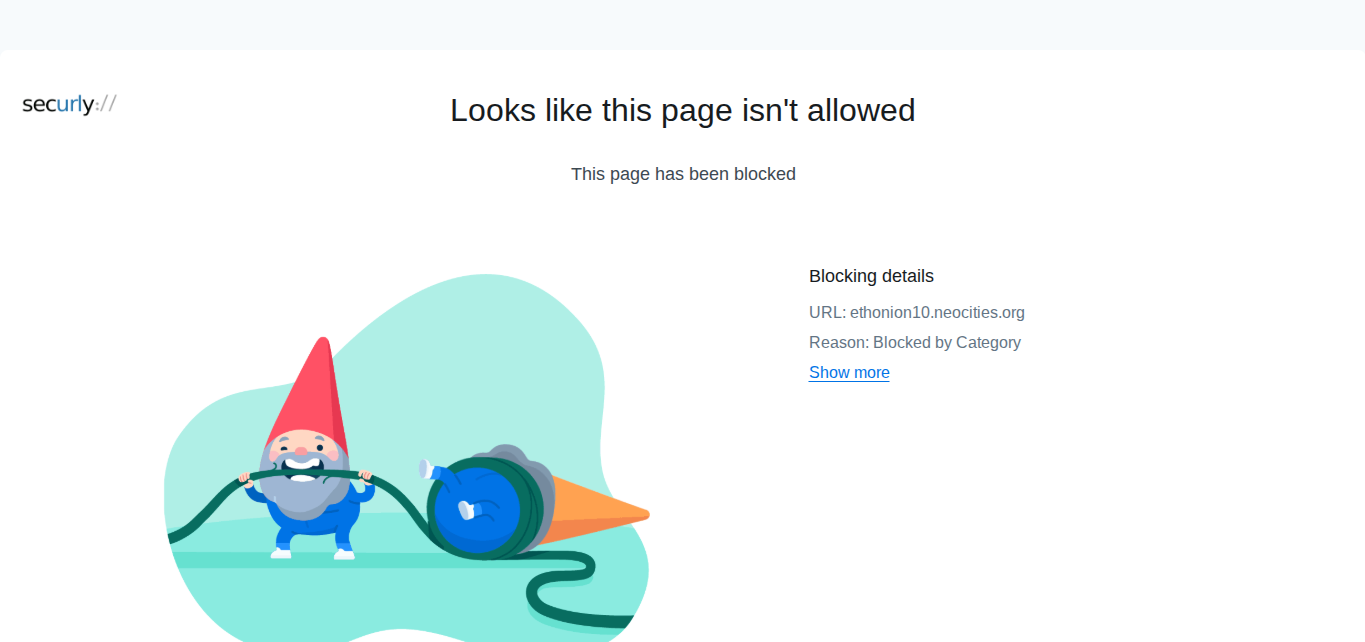
That is, until this year, when the school seemingly discovered and blocked every site in existence. Even long-time favorite champion, Lumpty Tetris, is no longer an option for students to play. While some may say that students benefit from the disappearance of these distractions, this policy does not prepare students for the future in college of spending their time with something productive or distracting,
Some teachers may see this as a way to eliminate distractions and improve productivity, students are skeptical. Many argue that banning every form of entertainment won’t make them more focused, just more restless.
“When we’re done with assignments, we should be allowed to unwind a little,” senior Jack Olson said. “It’s not like anyone’s causing problems. Sometime playing a quick game helps me reset before moving on to another class.”
Administrators, on the other hand, believe the policy encourages better habits and focus. With fewer distractions available, they hope students will take the opportunity to review notes, read, or work ahead. But that ideal does not always match reality.
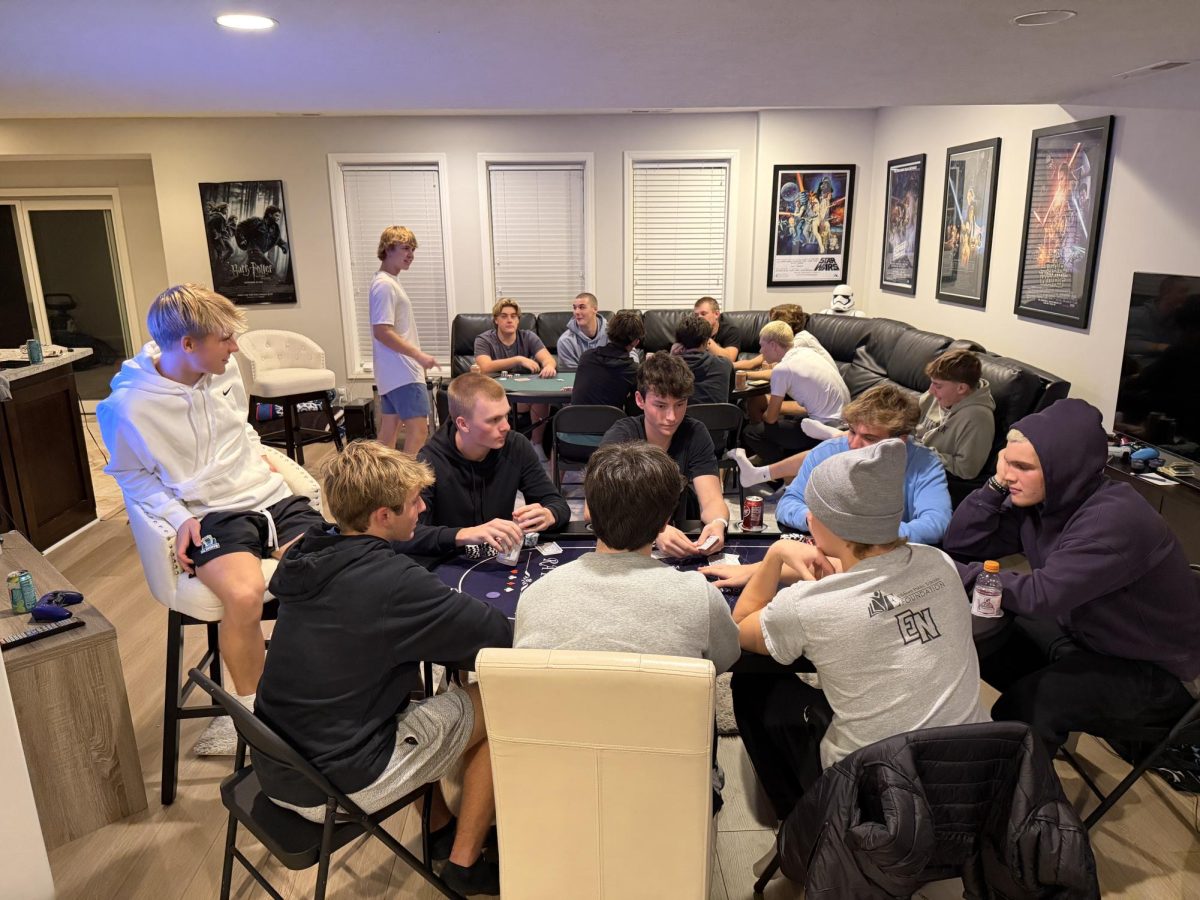
Without digital games, students are finding other ways to fill their time. Some doodle on paper while others chat quietly, and even a few students have tried to “outsmart” the filters, making new websites or extensions that might slip past the restrictions.
The effort to block every game might also have unintended consequences. For many students, playing a quick game was never about avoiding schoolwork; it was about managing stress. A short mental break between assignments helps them stay encouraged during school days. Taking away that outlet could make it harder for students to focus and it could result to worse distractions, like phone use or chatting during class.
“Having games gives me the chance to take a deep breath and stay relaxed,” senior Logan Whaley said. “When I stay focused too much in class it makes it harder for me to pay attention and comprehend the material.”
This change also reflects a larger conversation about how students balance entertainment and academics. In college and the workplace, distractions are everywhere: Phones, streaming services, social media, and online games. Learning how to manage distractions responsibly might be a more valuable skill than simply removing them altogether.
Psychologist and education writer Dr. Daniel Goleman has written in his book Focus: The Hidden Driver of Excellence, that focus is like a muscle, it needs to be exercised, not avoided. “When we eliminate every possible distraction,” he explains, “students don’t learn how to redirect their attention. They only learn to depend on a perfectly quiet environment.” That perspective raises the question that the school’s attempt to block distractions is actually preventing students from learning self control.
Another factor is student motivation. When all entertainment is removed, schoolwork can start to feel endless. Students will start to doze off and lose interest into what the teacher is saying. Small doses of play can reset attention spans and improve memory retention.
The game ban may also influence the school’s social environment. During study halls or after finishing tests, many students used games as a shared activity. They’d compete for high scores and flex those scores with friends.
Even with all the blocks in place, students continue to search for new ways to entertain themselves. They share tips, test new sites, and sometimes even create whole websites with games. The determination to find games shows that blocking access doesn’t eliminate the desire to play, it changes how students go about it.
Ultimately, this policy raises a larger question about how schools handle downtime. It is not necessary for students to dedicate every moment to academic work, and some time for fun should be permitted.
For now, students will keep adapting, finding new ways to cure their boredom, even if their favorite games have disappeared. If history repeats itself, students will always find a way to keep the games going.