

Customers line up at 4 a.m. outside of a local Starbucks for a cup while 47 million people in America face food insecurity. This is the jarring and unforgivable disconnect that modern consumerism normalizes.
The Bearista cup craze is more than a harmless trend; it is a moral crisis, demonstrating a collective indifference where the fear of missing out on a collectible far outweighs the urgency of human suffering.
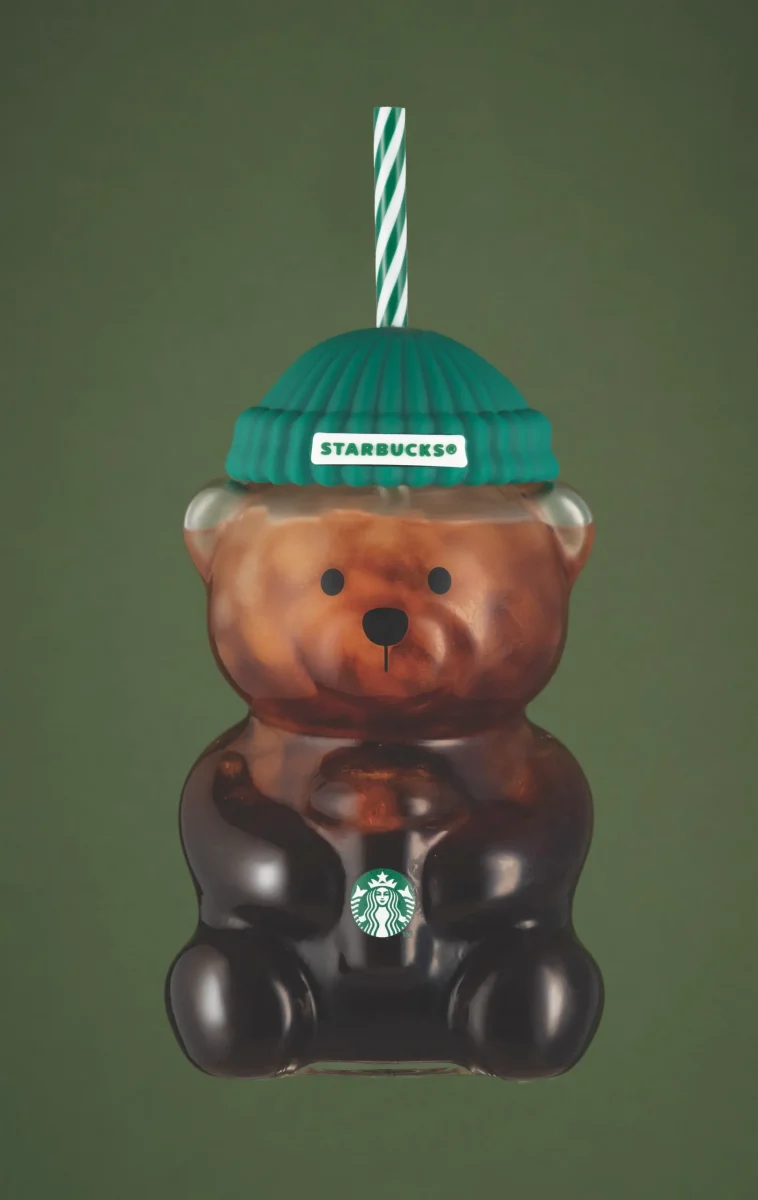
Launched on Nov. 6 as part of Starbucks’ holiday merchandise, the glass bear wearing a green hat and holding a coffee cup sold out almost immediately in stores across the nation. But, selling out in mere minutes wasn’t just based on customer desire. Most locations only received one to three cups, with the exception of those located in Target or Kroger, with reports of some receiving 10-12.
Even Elkhorn North’s nearest location at 186th and Maple streets wasn’t spared from the cup controversy.
“I thought we were getting a whole shipment of them,” Starbucks employee senior Maddy Brettman said. “When I realized we only had one and it sold that morning, I was kind of surprised.”
Brettman worked the closing shift on Nov. 6 and said the location received more than 20 calls about the sold-out bear-shaped merchandise.
“When things go viral, they go really viral, and ultimately companies play a role in that,” personal finance teacher Brittany Ballou-Barton said. “They under-manufacture products they know are going to go viral to create artificial demand.”
Artificial demand is the demand for a good or service that is created through external manipulation, like advertising and social pressure, rather than a natural need. Another factor that contributes to this social pressure modern consumers face are influencers.
A study by CivicScience found that 20% of U.S. adults have purchased a product based on an influencer’s recommendation. The study also found that Gen Z, as well as women and middle-income households, were the most likely to be influenced. More recent data also suggests that groups most likely to make a purchase based on an influencer recommendation are lower income U.S. adults and those concerned about a recession.
In relation to the Starbucks Bearista cup, social media played a large role in its popularity. Accounts on Instagram and TikTok posted throughout the morning of release day “taking viewers along” as they searched multiple stores for the tumbler and showing their seasonal sugar cookie latte served to them in their purchase.
“I think influencers glorify these cups,” sophomore Makenzie Webster said. “The people who watch them are like, ‘Oh my gosh, I should glorify these things, too.’”
This pattern of short-lived trends has shown up throughout the years, but most of the objects subject to trends aren’t kept and used long-term.
“They (Stanley Cups) are in the thrift stores,” Ballou-Barton said. “People aren’t using them, they’ve given them up.”
These fleeting obsessions not only hurt consumers’ wallets, but the environment as well.
“These things are just pieces of plastic that hold no value and they’re just going to be replaced with more plastic,” Webster said.
When people buy and produce mass amounts of goods, it leads to more waste, emissions, and pollution.
The same internet that preaches “zero waste” and “going green” also includes unrealistic bathroom restocks that include acrylic containers filled with five of each product and accounts dedicated to “must-haves” at Target. This hypocrisy doesn’t just exist on the screen, it exists in the real world.
It is a privilege to showcase a ‘major Target haul’ to thousands of followers when over 50 million people have turned to food banks and pantries for help.
It is a privilege to buy new decorations for Christmas each year when homelessness increased 18% in 2024 with 771,480 people in America.
It is a privilege to be upset about not being able to buy the $30 Bearista cup when over 13 million kids in the U.S. don’t have enough food to grow up strong.
“People are really unaware of what’s going on,” Webster said. “They choose to look at different fun topics, like the bear cup, instead.”
As easy as it is to sit comfortably in our own affluent lifestyles, we must consciously choose to step outside its confines to truly understand the world we share.