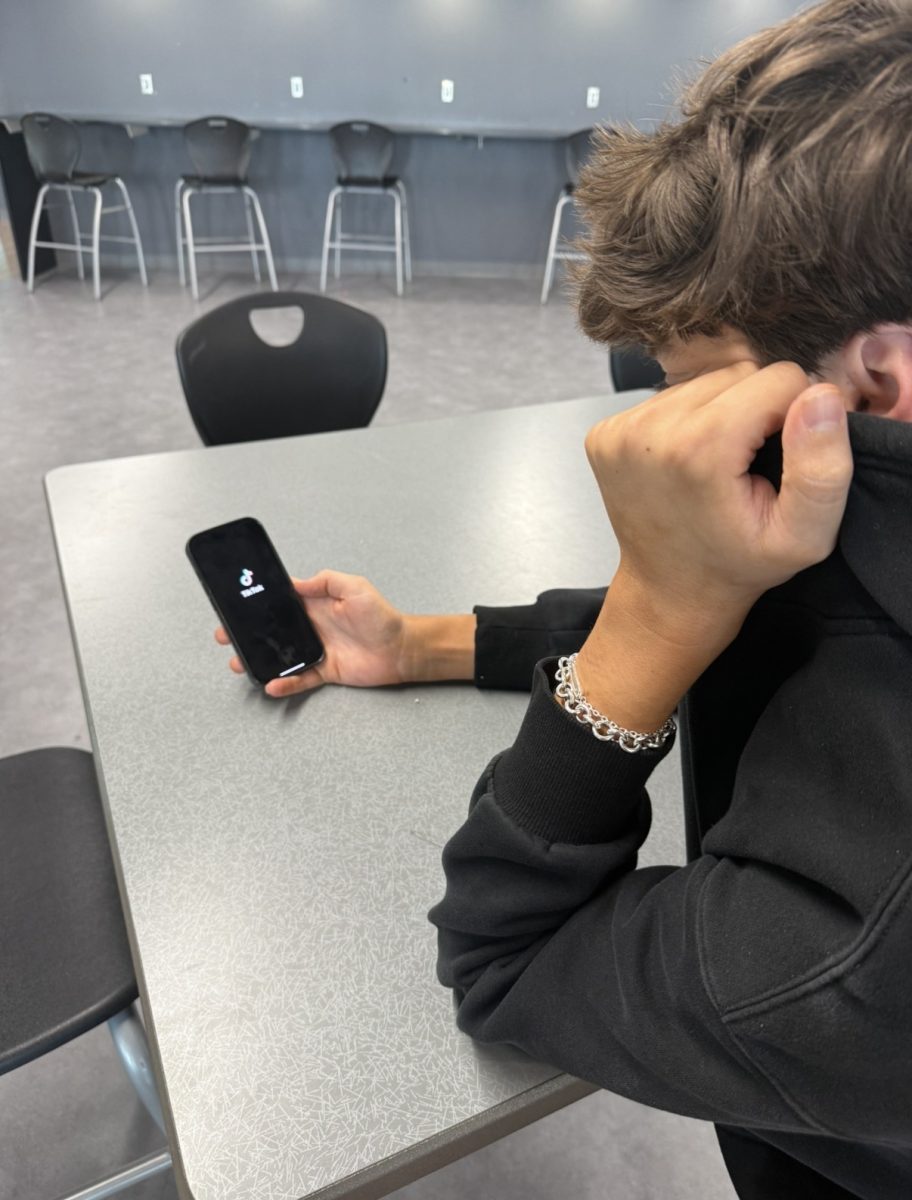


Walking through the hallways or talking with friends, students typically hear people casually say that they haven’t eaten all day or only got two hours of sleep last night. Too many students believe these comments are completely normal. For some reason, being unhealthy has become something people often brag about, as if it makes them look hardworking, accomplished, or even cool. Neglecting health is not remarkable, but hurtful in the long run. Turning exhaustion into a competition only damages both physical health and mental well-being.
People brag about caffeine addictions, lack of sleep, skipping meals, or never taking breaks so they can appear as “better than others.” Then people turn these unhealthy habits into their personality instead of something that needs to be fixed. They think that the idea of pushing through constant stress and struggles will be seen as strength, when it actually leads to burnout. Not taking care of the body nor allowing it the rest it needs to function only sets up failure.
“Energy drinks and caffeine are really glamorized right now,” choir teacher Casey Allen said. “It’s kind of like what fancy cup do we have in our hands this month.”
School and social media make this unhealthy mindset even worse. Students and people online are constantly joking about how stressed, burnt out, and tired they are. These jokes might seem harmless, but they actually strengthen the idea that struggling is something to be shown off. This creates an unhealthy cycle of comparison. Students begin to think that if someone else is gaining attention or status from these unhealthy habits, then they feel the need to do the same or even more, in order to keep up. Instead of focusing on actual success, people try to make their suffering look like accomplishments.
“I think there is a cultural phenomenon where people feel they have to suffer in order to be successful,” Allen said.
Sometimes people even exaggerate these unhealthy habits. They make their struggles seem bigger than they really are because they want the attention or validation from other people.
“I think it’s kind of like, ‘look how hard my life is’,” junior Abby Martin said. “It’s like creating first world problems for yourself, just to get sympathy and attention from others.”
For people who are actually dealing with eating disorders or other health issues, hearing these comments from others can be very hurtful. Those struggling may feel invalidated when their experiences are turned into casual jokes. Ultimately, it can minimize real struggles and make it harder for people to speak up or get the help they need. When these unhealthy behaviors are normalized, it becomes more difficult to recognize when something is actually wrong.
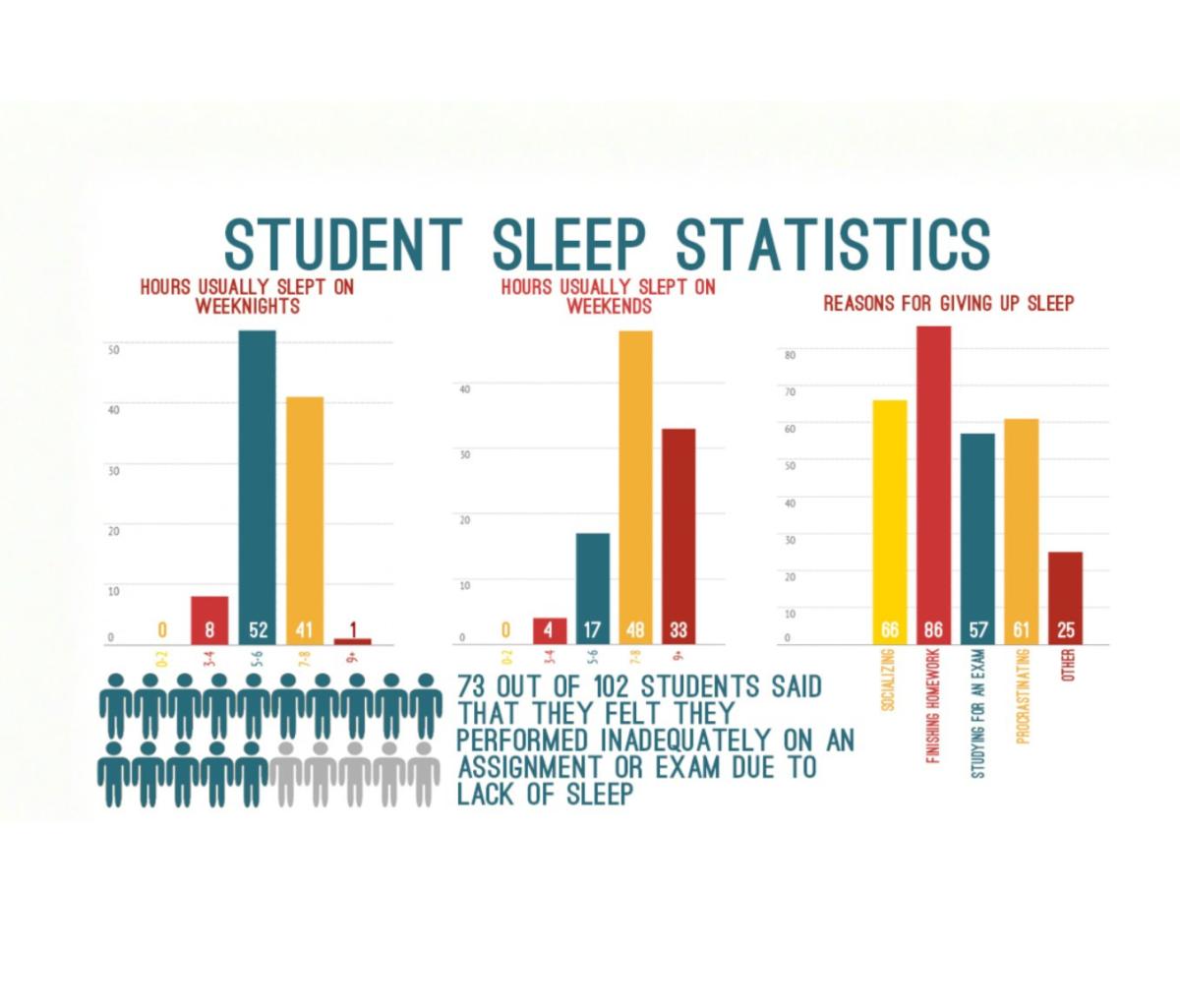
Beyond the social impact, these poor habits hurt student’s performance. Students constantly pull all-nighters to study, or skip meals to save time, believing it will allow them to get ahead. In reality, the latter is true. Lack of sleep affects memory, focus, and people’s abilities to make decisions. Skipping meals leads to low energy and difficulty concentrating. These habits are often seen as proof of dedication rather than poor time management and are just hurtful in the end. Not getting the right amount of nutrients and rest actually makes it harder to focus, learn, and to stay mentally and physically healthy. Ignoring the body’s needs eventually backfires.
Many students experience the consequences firsthand. A student who constantly stays up late to finish assignments may find themselves falling asleep in class and that their grades are dropping because they can’t focus. Over time, students will experience burnout, illness, or mental exhaustion.
In order to perform at your very best you must take care of yourself. Both mind and body. If your goal is to be successful you shouldn’t have to suffer for it.
While this culture is very normalized, it is not impossible to change. Small, realistic shifts can make a big difference. Prioritizing sleep and going to bed even 30 minutes earlier, can significantly improve focus and energy levels. Eating regular meals helps maintain concentration throughout the day. Although it seems counterproductive, short breaks while studying can be beneficial and increase productivity. These habits may seem simple, but they directly challenge the idea that success requires constant suffering.
Setting boundaries is another important step. Students often feel pressure to say yes to everything: extra activities, practices, late night studying, or hanging out with friends. Learning to say no and recognizing limits can help prevent burnout. Managing time more effectively, such as spreading out assignments instead of cramming, also reduces the need for unhealthy habits.
There are also tools designed to support healthier routines. Self-care apps have become very popular and are a great way to help students track sleep, set reminders for breaks, and organize their schedules. These tools are not perfect, but they can help structure lives and make it easier to build stronger routines with time.
Suffering does not equal success and this idea must be changed. Being exhausted, stressed, or overwhelmed all the time should not be seen as something to brag about. Students perform, think, and are more motivated when their needs are met.
Some competition is healthy because it pushes people to be better, but constantly living in competition over who is more unhealthy is detrimental to mental health and well-being. Instead of competing in the sympathy olympics, students should focus on supporting one another and making choices that allow them to perform at their best. Changing this mindset will not happen overnight, but recognizing that it’s a problem is a big step. Being unhealthy is not cool and it should not be normalized.