

FOMO (fear of missing out) is a phenomenon often seen in high schools with the prevalent pressure to fit in and be involved.
Though this isn’t a new concept, FOMO has evolved in recent years with advancing technologies. Most notably, social media’s constant connection of people and feeding of information has worsened this feeling for new generations.
Social media mainly worsens FOMO by allowing people to curate what is being shown to look best on them. Naturally, people aren’t going to post their hard moments, even though everyone experiences them. For some teens, this can distort their reality.
“We want to celebrate the good things in our life,” human development teacher Laura Feller said, ”But it is definitely a highlight reel.”
It is easy to leave out the reality of a situation when posting it, especially within teens. Social media is helping to skew people’s perception of what their lives should look like.
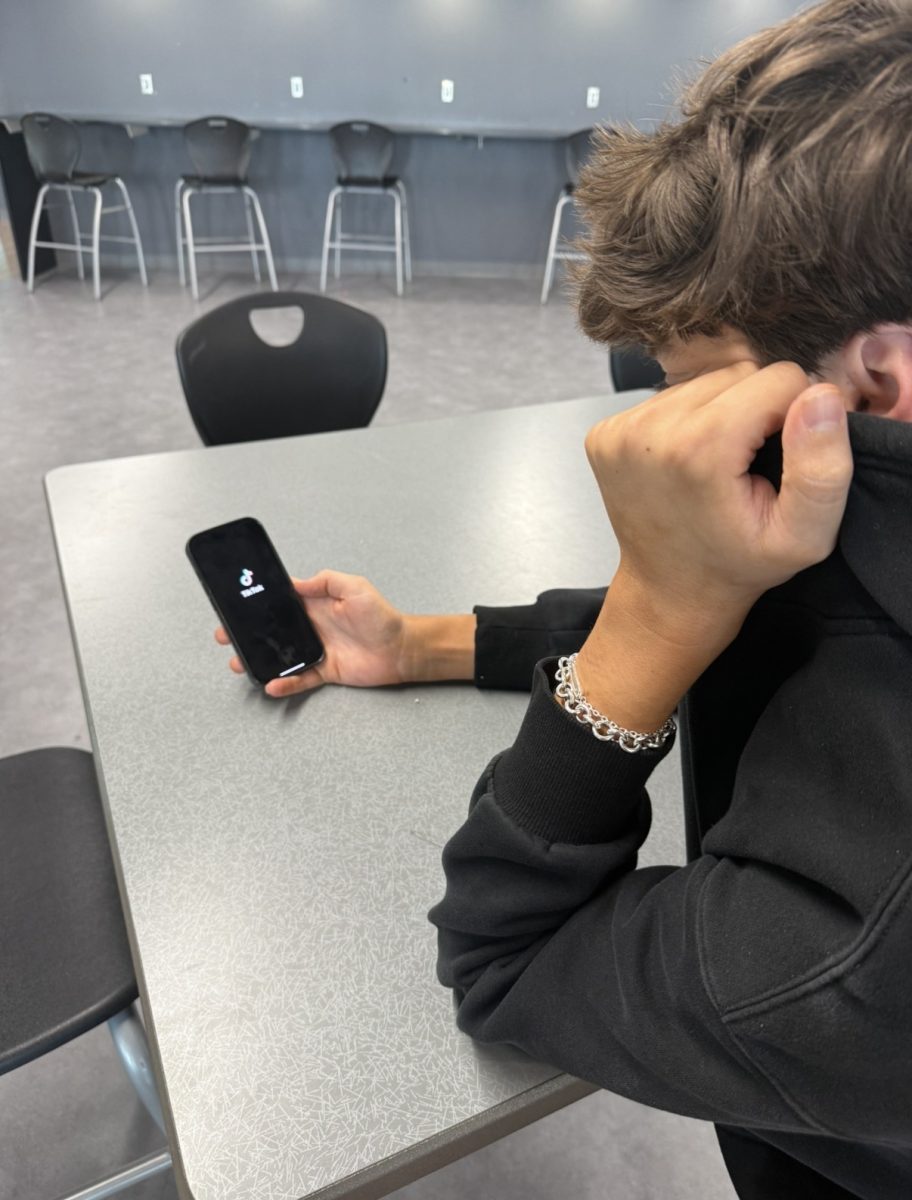
Social media’s consistent link of people can also do more harm than good, when considering the fact that there are never breaks from others. With this, it’s not just on Monday hearing stories of the weekend before someone realizes they missed a party, it’s while it’s happening seeing the constant social media posts from different people.
“There are more opportunities for us to be isolated because of our phones,” Feller said.
FOMO shows up as not only feeling sad about missing out, but also acting out of character. When scared to be left out, teens become more susceptible to peer pressure. If the only way to get an invite is out of character, some teens will resist but others will fall into social influence.
While this can lead to regret for some teens, others can make light of different situations they have found themselves in.
“Even though sometimes I should probably regret things I did over FOMO, it’s also just more experiences to form you into the person you are,” sophomore Klara Hoogeveen said.
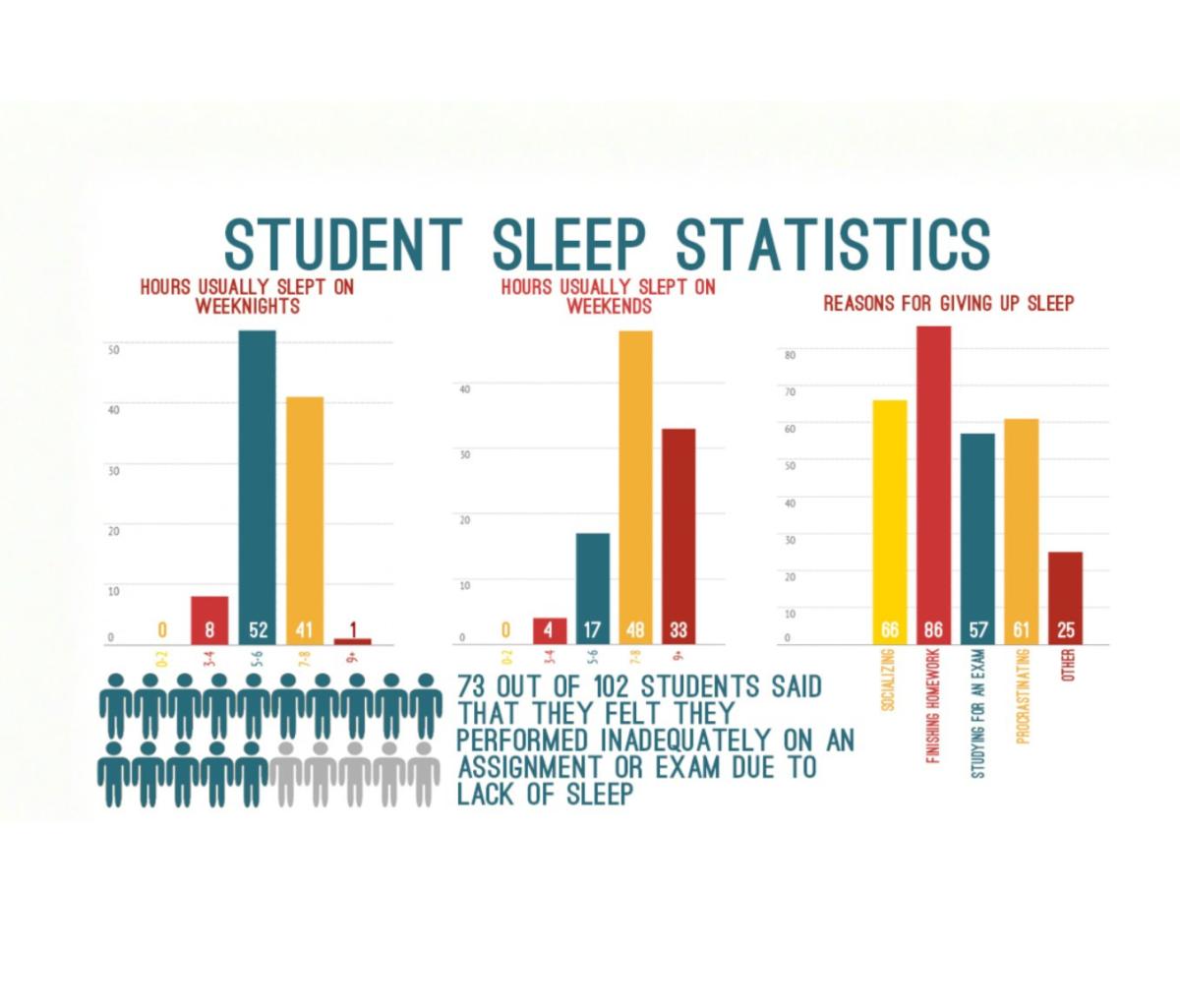
Saying yes to everything can lead teens to overexert themselves. Constantly participating in new things is good for teens to a certain degree, but breaks are important. If a teen is too worried about missing out on time with friends, their rest can fall behind in priorities.
“I’m constantly tired during the school year,” sophomore Jaime Vogel said. “You only have so much time to hang out with friends so I never take a break.”
Another thing teens often lose sight of is their academics. Weekend plans start to take precedence over studying, and while some teens can go without extra time on work, for others this is not a reasonable plan. Before a big test, it is important to take the time needed to study, and FOMO can get in the way of this.
While FOMO is common in all age groups, teens are especially vulnerable. One’s teenage years are a time to interact within groups that wouldn’t be together traditionally. A constant battle to meet new people and further connections with others can increase FOMO exponentially.
“I think FOMO is really about the missed connections with people,” Vogel said.
While FOMO could just be about missing a party, it commonly is about the smaller interactions. When missing one event, suddenly someone doesn’t understand a new inside joke, isn’t in group photos, and loses another thing to discuss with the group. This can prolong the feeling of being left out and worsen FOMO over all, due to the increased avoidance of those feelings.
There is also a psychological reason teens are more susceptible to FOMO. When considering the mental side of FOMO rather than social, one’s teenage years are a time of identity building and experimenting.
“In your developing years, people want to try new things,” Feller said. “This is a time to figure out what is important in your life.
The burnout and stress that come with FOMO mainly stem from overcommitment. Constant participation in different activities is not reasonable for most teens.
“We are expected to have a job and be involved in extracurricular activities, and then FOMO keeps us from taking a step back,” Hoogeveen said.
There are many effective strategies to limit FOMO, among these is taking breaks from social media. Stepping away from the highlight reel can remind people to live in the moment they are in, rather than in someone else’s moment.
“We aren’t meant to be connected all of the time,” Feller said.
Most people deal with FOMO at some point in their lives. Whether it is going to a different college than their friends, or not being able to attend an event within adulthood, FOMO is normal for everyone.
When dealing with FOMO, it’s important to remember, most of the time, nothing is really being missed. Oftentimes the idea of what the person is missing really comes from what they would have brought to that event, not what other people are bringing.
“Nobody wants to be left out, even as adults,” Feller said. “But learning to be confident in yourself is one of the best things you could do.”