
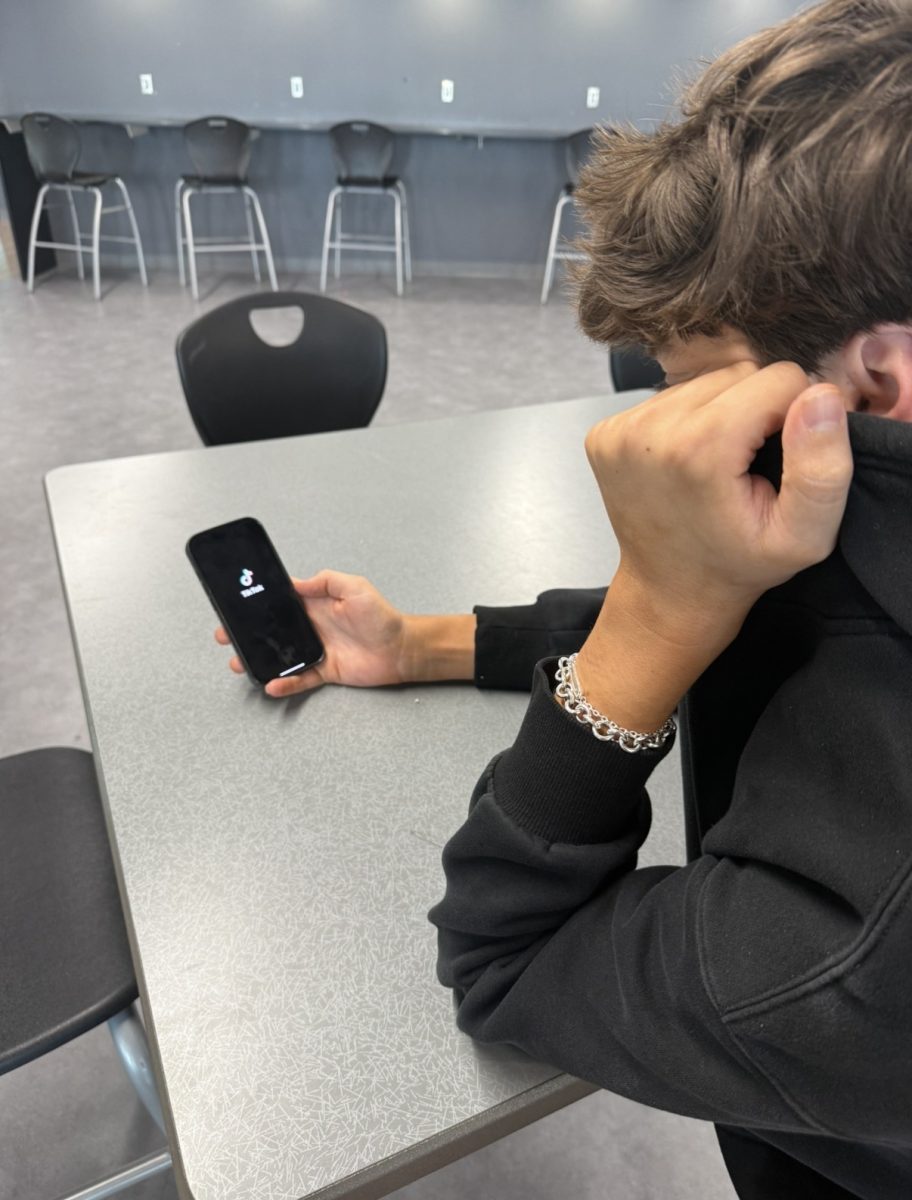
When scrolling through social media today, it’s impossible to avoid videos giving warnings about hidden dangers in our everyday lives. Some posts claim fast food is not real food, and others about microplastics in our drinking water.
As these posts grow in prominence online, people become increasingly focused on health risks, some real, and others exaggerated.
Platforms like TikTok and Instagram have fueled the rise of “health awareness.” Many creators online may seem, or present themselves as if they know the truth, but don’t have scientific backgrounds.
Their short videos oversimplify complex science. Real health topics are very complicated, compared to short 15-30 second TikToks. Many important details tend to get left out, making certain things scarier than they actually are.
“After I have seen certain videos on my TikTok feed about health, I have noticed myself making small changes to my routine.” junior Skyler Vandenburg said. “Like, I try to use glass cups instead of plastic after seeing a video about microplastics.”
Social media can amplify fear and confusion about someone’s health. The things on social media aren’t always factual, but it’s based on real health and environmental concerns.
Scientists really have found microplastics in food, water, and in the human body. Online however, the claims on this are usually exaggerated.
Similarly, fast food and high processed foods can be very unhealthy if eaten too much, but this doesn’t mean the food is fake or as harmful as some of the videos suggest.
The same thing goes for the awareness of environmental issues and how they can affect us, along with certain chemicals affecting our hormones, as more people are paying attention to what they consume and how it can affect their health.
This awareness can turn into fear, especially when the information is taken out of context. Real concerns can make people believe more and more of the misleading health claims online.
“I always see videos on Instagram making crazy claims about certain health topics,” senior Emily Bonoan said. “One time I saw one that said sushi will give you parasites.”
As these concerns grow, fear and misinformation spreads online. Since many health topics, such as microplastics or processed food, are based in truth, it makes it easier for unsupported claims to gain attention.
For example, ideas like chemtrails or warnings that everyday items like airpods cause serious harm are widely shared despite lacking strong scientific evidence. Adding on to that fear based content tends to spread faster than real information and people are more likely to engage with videos that make scary claims about their health.
Many viewers do not take the time to verify sources or research the information more, which allows misinformation to continue to spread. These exaggerated claims can make everyday experiences seem far more dangerous than they really are.
Overall the rise of health content online shows how powerful social media has become in our everyday lives, changing how people view their bodies, food, and environment.
Some concerns are planted in real science and many ideas are taken out of context which can create confusion and fear. It is important to be careful about what information is trusted and to look at the right sources.
“Even for doctors to diagnose something specific is a challenge, ” science teacher Daryle LaFleur said. “ For a young person to try to diagnose themselves in such a manner is nearly impossible.