


In the early 2020s, there was a major focus on body positivity and encouragement for people to love themselves no matter what size they were. Some trending movements were “Body acceptance,” “Fat liberation,” and “Every Body is a Bikini Body,” which all focused on promoting self-acceptance and less on appearance. However, this did not last long, and there is now a noticeable rise in the desire for a smaller figure.
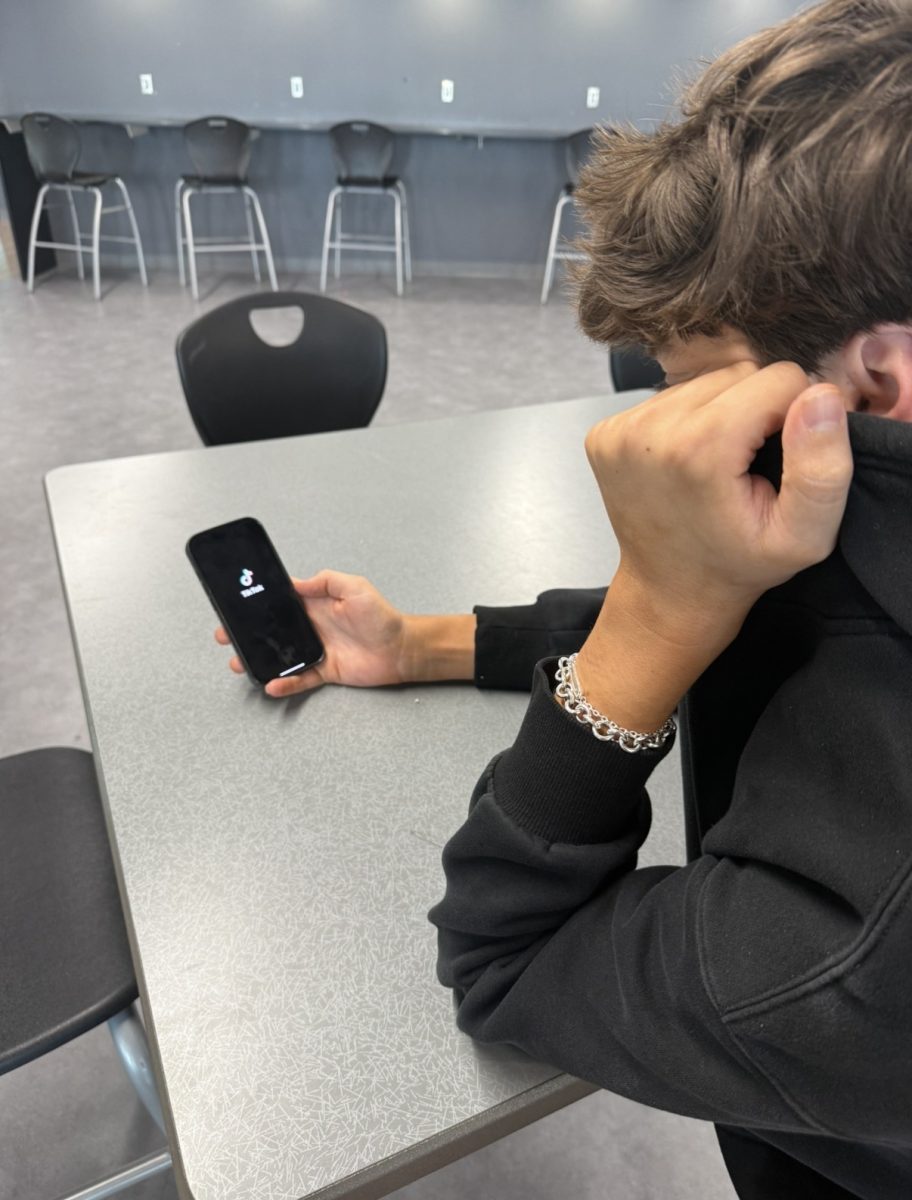
Part of the reason this new trend has become widespread can be attributed to the media that people consume daily, such as movements like “skinny-tok” and “what I eat in a day” videos, which promote unhealthy eating habits comparable to eating disorders, and showcase creators flexing their extreme weight loss.
“It is feeding a terrible image to young kids,” junior Olivia Smith said. “This is extremely harmful to younger kids as they may try to achieve this look, and what they consume online is a lot of what forms them.”
A 2024 study from Johns Hopkins supports the claim that social media has a heavy impact on adolescents, with nearly double the rise in eating disorder cases in the US, with the primary cause being teens comparing themselves to others online.
This study focuses on highlighting the positive trend relating social media consumption to eating disorders. Eating disorders are extremely harmful to growing bodies and cause lots of long-term effects, including hair loss, a delay in growth, and, in extreme cases, and permanent organ damage.
“It is hard to feel good about oneself when so much of social media is all of the highlights and is artificial, and not a real depiction of what reality is,” fitness and health teacher Annie Chadwick said.
Along with this, there have been more factors of skinny culture making its way back into the mainstream media, one notable example is that the Victoria’s Secret Fashion Show made a comeback after nearly half a decade break.
The Victoria’s Secret Fashion Show is a yearly model runway show where the brand showcases its newest arrivals for the year, with the main focus of the show being the swimsuit collection, where very thin, borderline emaciated models strut down the runway showcasing the suits, and their 20-inch waists.
The show did not air for years due to COVID, with the last being 2019, that is, until 2024, however, when it made a massive comeback. With the return, the internet was very inclined to give its input. It totaled 3 million viewers in 2025 and brought lots of discussion, less over the clothes, and more over the bodies.
TikTok erupted the week of the fashion show, with thousands of videos and users dissecting every body in the show, and using the models’ bodies for content.
And while this shift back to skinny culture is being seen on social media a lot, it is also being portrayed on screens and seen on red carpets in Hollywood with famous A-list celebrities.
In the midst of the new Wicked movie coming out, there has been a lot of discussion on Cynthia Erivo and Ariana Grande, or more so, their bodies.
In Hollywood, it is common for actors to lose weight for movie roles to fit a more accurate description of the character they are portraying, as seen in Fight Club, The Joker, and many others. However, Wicked fans are concerned that this is more than acting procedures and fear for the safety of the cast due to their extremely thin figures.
There have been pictures and videos in the media comparing the two stars from now to five years ago, highlighting how fragile they look. Grande came out in a statement saying that this is the” healthiest she has been,” but it does not appear so to the average person.
“It is unfortunately becoming very normalized, and there’s clearly a visible difference in the actresses,” Smith said regarding the state of the actors on the set of Wicked and celebrities in LA.
With the obvious rise in the appeal to be thin, there are lots of shifts that will be made going forward. It is plausible that with more standardization of skinny, there will be less representation of bigger models and influential celebrities. As has already been seen in movies and on social media.
This kind of underrepresentation of mid- and plus-size bodies in the media may pose more of a risk for younger children who idolize these figures and could very easily lead to a direct link to an increase in eating disorders and unhealthy fitness approaches.
In the long term, this shift in the ideal body set by society and popularized in the media leads women, and especially adolescents, down an extremely unhealthy and dangerous path.