
According to Forbes, “Gen-Z views diversity, equity and inclusion not as mere corporate buzzwords but as non-negotiable pillars that define the essence of an organization. Their concept of diversity includes gender, race, ethnicity, neurodiversity, people with disabilities and a diversity of ideas, experiences and backgrounds.”
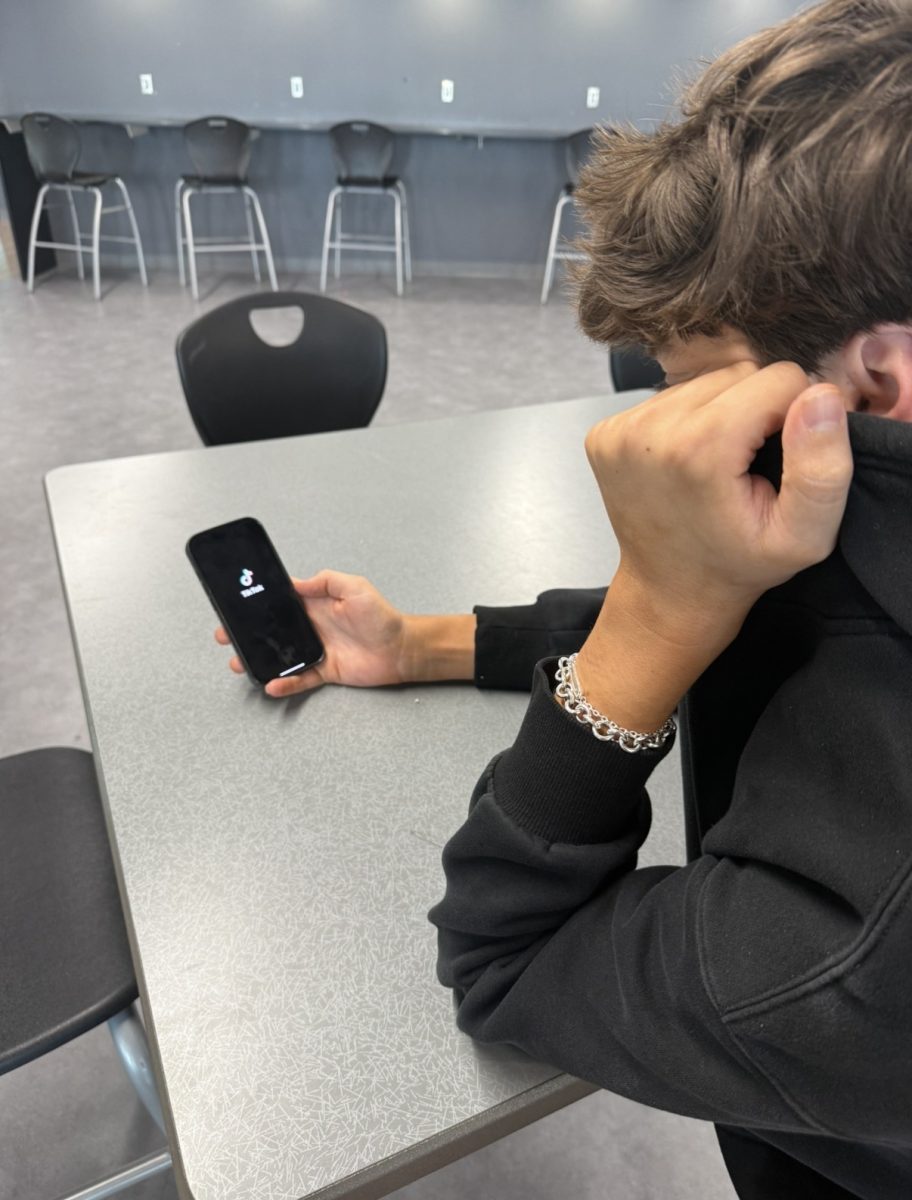
In between their schoolwork and activities, many teens take to scrolling on social media platforms like Tiktok, Instagram, and Snapchat. Creators post relatable content focusing on new trends, popular music, and, of course, the high school experience.
While some videos focus on rigorous AP classes or funny skits about annoying teachers, others skew towards a more hateful side of these comedic trends. Posts mocking, degrading, and simply being ignorant towards mentally and physically disabled students have somehow become “comedic” and “relatable.”
Although videos and posts like these are treated as just another trend to follow, an entire group of people are dealing with a new wave of hatred disguised as content intended to make the majority of people laugh.
This mockery spreading throughout both social media and real life is not just a joke, it’s ableism.
Ableism is defined as discrimination towards people with disabilities, and it has become rampant through many parts of the digital world.
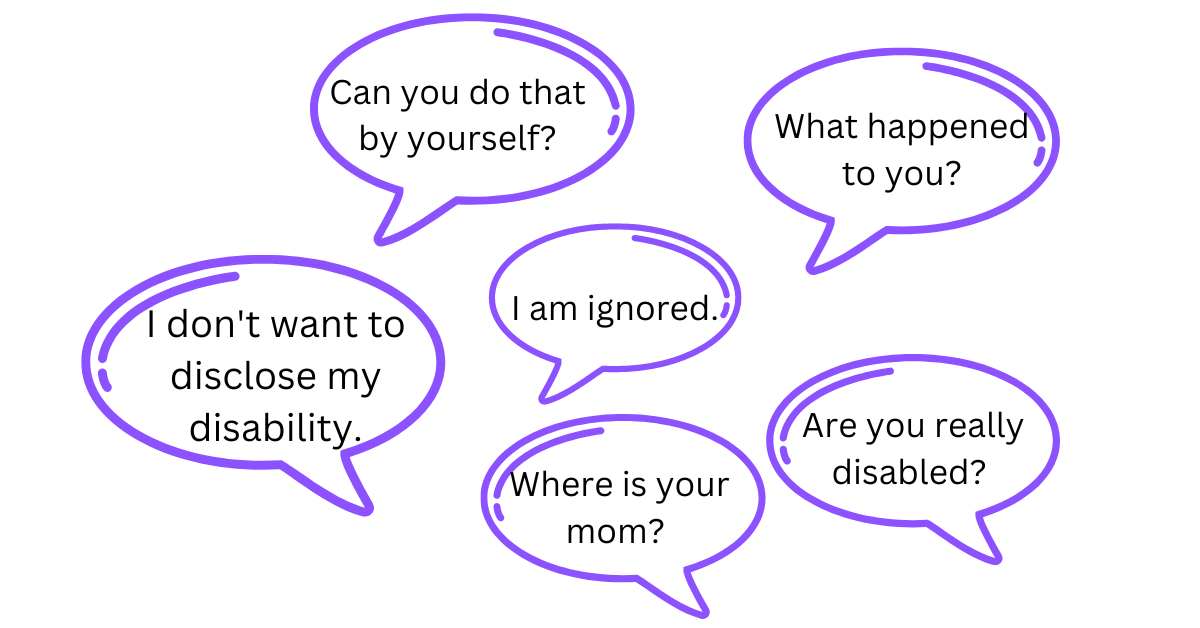
Although Gen Z is hailed as inclusive and accepting, the prejudice present online is something that this generation cannot continue to ignore. In a study conducted by researchers from Cornell and Michigan State University, 20 different disabled social media users were interviewed and analyzed for microaggressions they have received simply by using different platforms.
Researchers discovered that not only did able-bodied viewers leave an overwhelming amount of comments and DM’s laced with eugenics and ignorance, but as many as 12 different types of microaggression archetypes could be documented just within the responses.
If non-disabled users are able to leave a legacy of hatred and mockery online, it’s no surprise that the standard remains unchanging offline as well.
Even within Elkhorn Public Schools, a district with a multitude of unified sports and activities, students with both visible and invisible disabilities constantly face battles due to the actions of their peers.
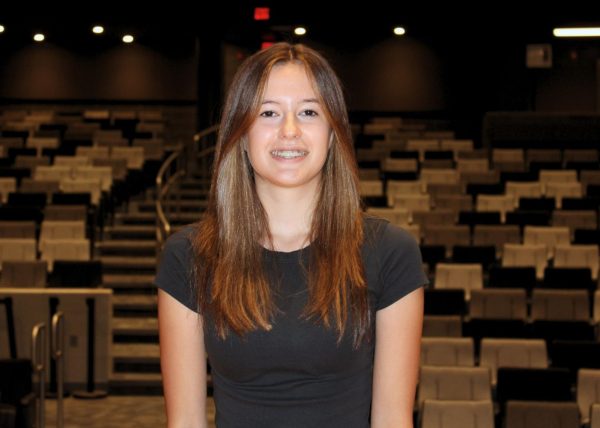
“I’ve been called slurs,” sophomore Grace Hanson, who has a tracheotomy, said. “They don’t get having hearing aids, being short, not being able to swim or do gymnastics, and how isolating it is.”
Simply existing should never warrant the use of language as degrading and out-of-date as slurs. If ENHS wants to achieve real inclusion, a starting point can be using words and phrases that are meaningful and not degrading towards others.
Perfect speech and proper terminology for conditions isn’t an achievable goal for anyone, but showing kindness and patience for those with physical or mental impairments can be a step in the right direction
“They want to be loved, just like everybody else, and they deserve it just as much as everybody else,” special education teacher Hannah Veskrna said.
Students are allowed to be unsure of how to start a conversation or simply interact with a disabled student at ENHS, but babying them when it’s believed they don’t have the mental capability to hold a conversation, or laughing at a special needs student having a difficult moment, should not be blamed on uncertainty with how to handle the situation.
Certain disabilities that can be harder to see right away, like chronic illnesses or other disorders, still quickly become something to stare at and mock when realistic issues with these disabilities arise.
“With Type 1 Diabetes, you seem like a normal person from the outside, but it’s truly complex on what goes on inside your body,” sophomore Kylie Myers said. “I wish a lot of people were more understanding when I have to do something for my blood sugar, but they’re always quick to question it.”
Despite each student with a disability being vastly different from one another, many face outright hatred and division from their able-bodied peers. Having a disability is an impairment, but when able-bodied students believe that being disabled makes up their entire life, it holds the entire student body back from true acceptance of everyone.
To achieve an inclusive environment, students must break down their previous assumptions on what disability is.
Although I myself present as a typical, able-bodied student, I was born with congenital hip dysplasia, a condition that still affects how I walk, run, and stand. Growing up, I went through a series of surgeries, full-body casts, walkers, wheelchairs, and years of physical therapy to get to where I am today.
I have gone back and forth between being associated with two groups of people that have never been more divided.
It’s okay to be nervous to interact with a disabled student, but it’s not acceptable to treat them as less than human.
It’s okay to notice when a diabetic’s glucose monitor goes off, but ostracizing and making a ruckus will never be humorous.
It’s okay to not know everything, but spreading kindness, empathy, and starting friendships with every student can start an environment of diversity and inclusion that Gen Z should be known for.
It may be easy to brush under the rug, but we need to recognize the division actively created between disabled and and able-bodied students.