

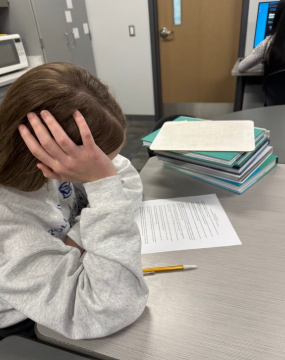
As the seasons change, so do students’ energy and mood. Reduced daylight and the cold weather can make it difficult to stay motivated.
Some people experience a week or two usually at the beginning of the winter, known as the “winter blues” but some experience more significant shifts.
Seasonal Affective Disorder (SAD) is a recurrent depression that occurs during certain seasons, commonly fall and winter, but improves in the spring.
This disorder is very common among all ages, but for high school students it seems to be more severe.
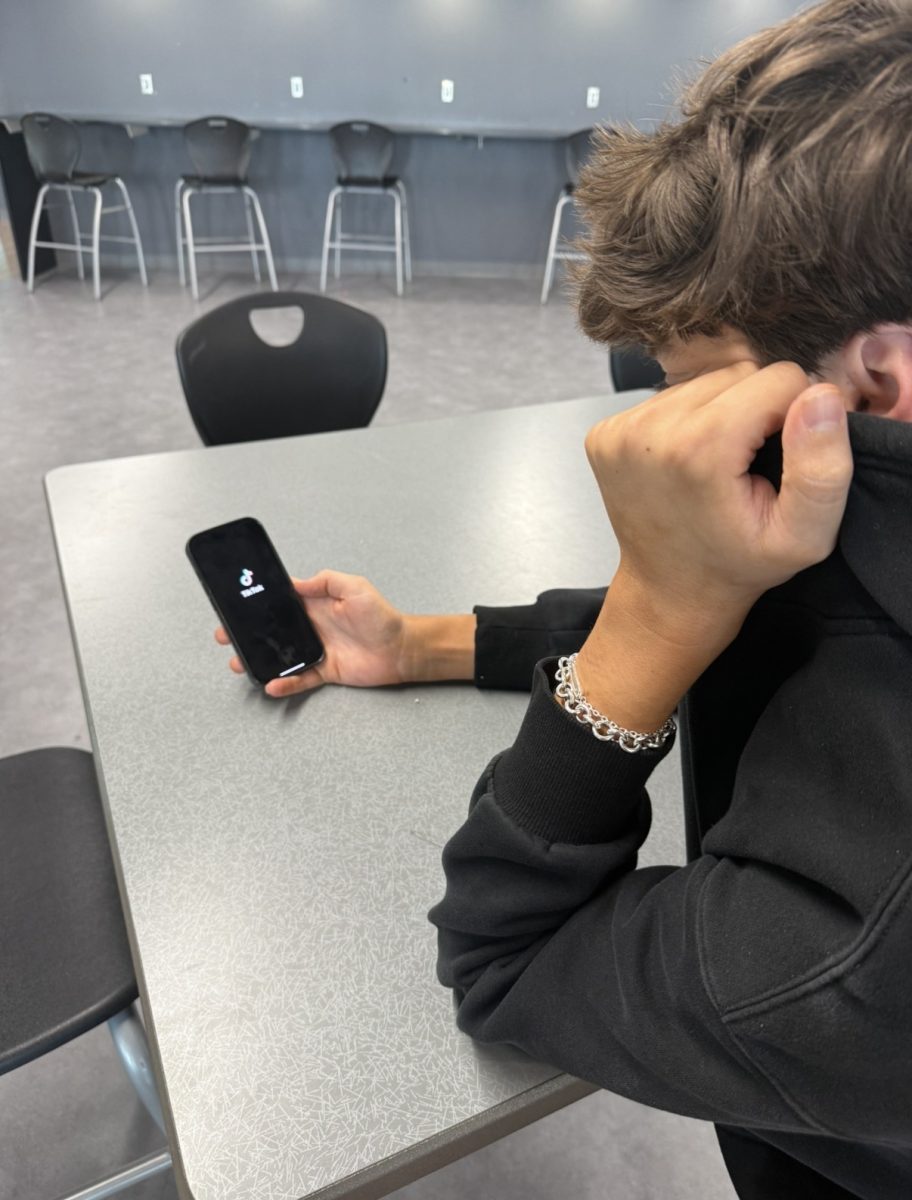
Most teenagers revolve everything around their social life, but with the seasons changing, it can lead to social isolation. During the winter, teens don’t have much to look forward to or do and usually end up scrolling their lives away in a dark room in their free time. Teenagers do a lot of their hobbies outside in the warmer weather, so five months earlier, they would’ve been doing activities outside in the warmer weather.
The weather changes can disrupt routines and add stress, like work, school schedules, or social activities.
Most students rely on a daily routine, but these routines can change due to the cold weather and it causes an increase in stress.
Not only can the weather affect routines, it can determine someone’s motivation.
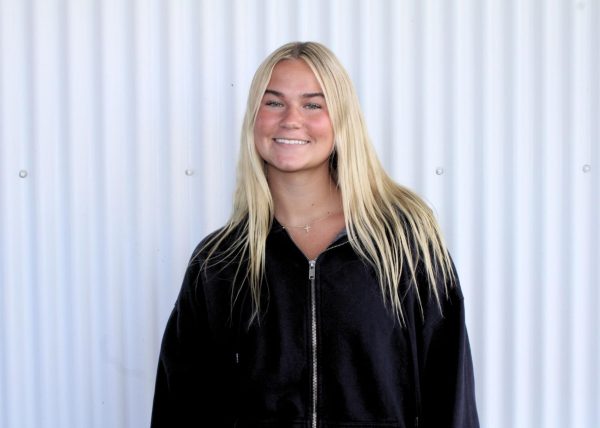
“I feel a lot less determined in the winter,” junior Gabby Rowe said. “I just think it’s so much harder to get stuff done and even wake up in the morning for school.”
As the weather drops, students are more vulnerable to seasonal mood changes, and with finals being right before break, it adds to that stress.
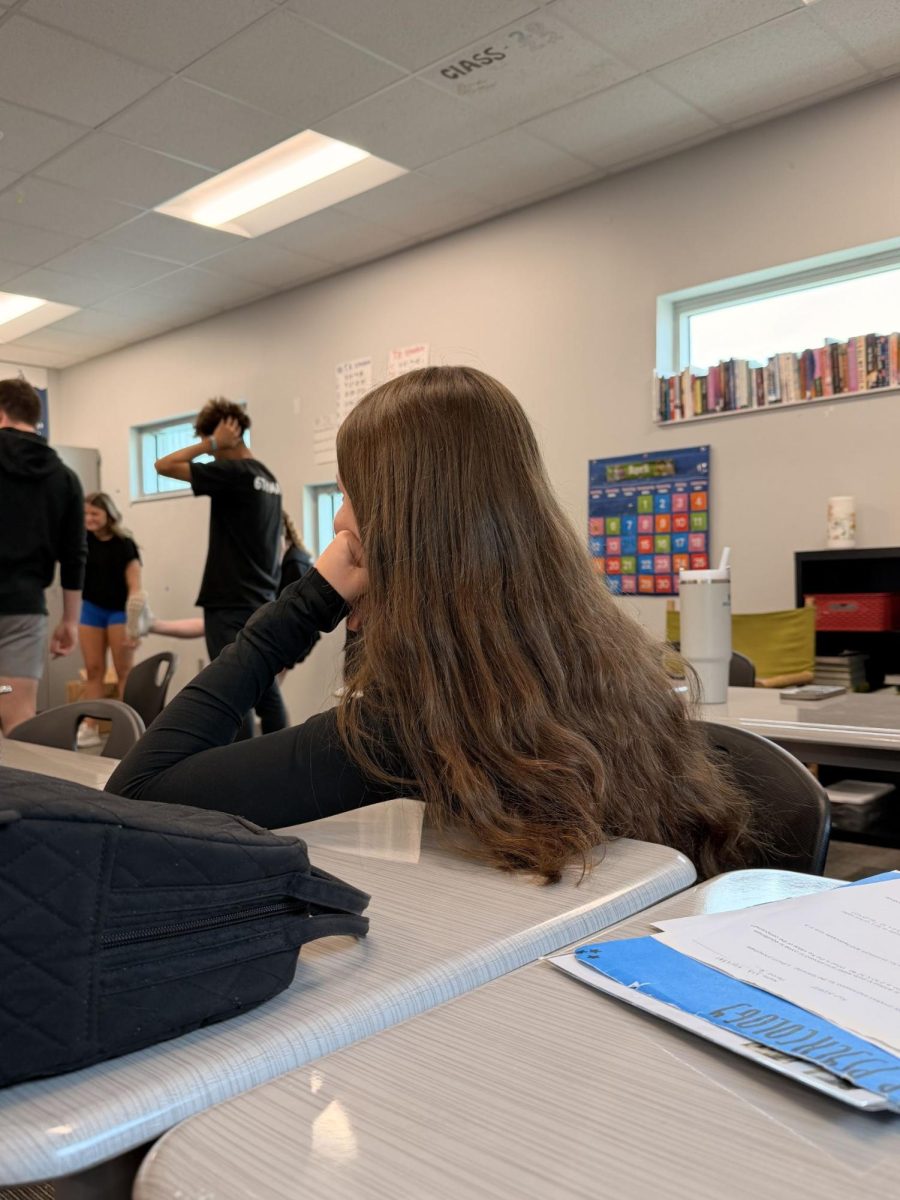
“I notice students are more sleepy, but that could also be because it’s the end of the semester,” science teacher Reyne Armbrust said. “They’re more stressed out and have more tests and finals.”
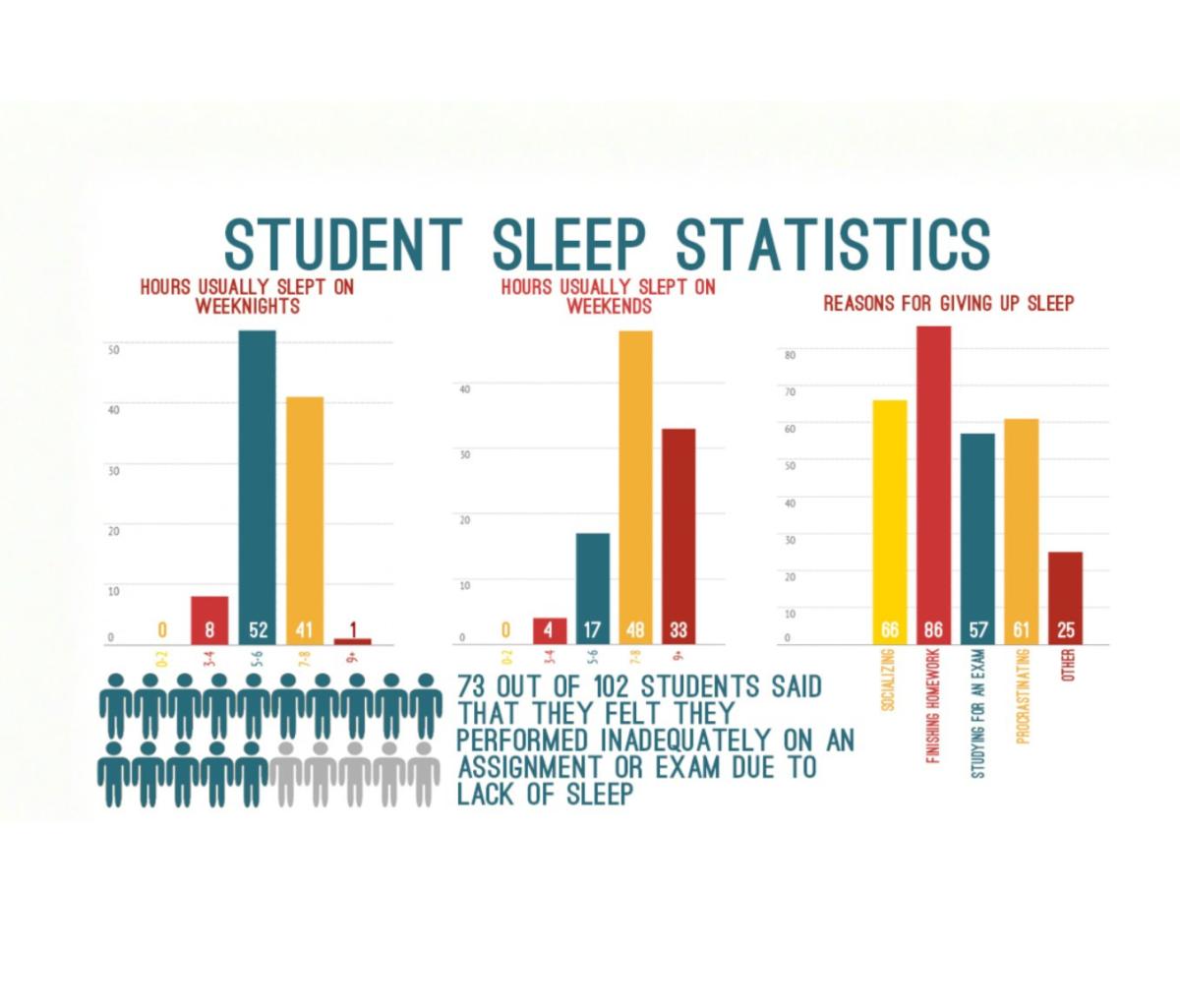
The mood changes from the weather can also be caused biologically as well. Reduced sunlight in the fall and winter disrupts the body’s internal clock or circadian rhythm. This can affect sleep patterns and overall energy levels, leaving people sluggish and unmotivated.
Less time in the sunlight can lead to a lower amount of serotonin, the “feel good” hormone. This can contribute to the sadness that everyone feels when the UV is under five in the fall and winter.
Weather changes are very normal in the Midwest, so many come up with ways to cope when they are feeling down during the colder months.
“I like to hang out with my friends all the time, but especially when I need a break from all the stress,” Rowe said. “It helps when I have plans with them to look forward to throughout the week.”
Exercise, getting more sleep, and finding a way to get out of the house are all good ways to cope. Doing this not only keeps a person’s mind off of how they are feeling, but it makes many feel better about themselves.
“Theres just a lot less to do in the winter,” junior Vinny Diprima said. “but I like to hang out with my friends and workout.”
While seasonal depression has the ability to affect anyone, it affects students the most. All students do is look forward to the next big thing, whether it’s winter break, summer break, or even just the weekend they struggle to live in the moment, especially in the colder months.
Many upperclassmen are stressed about what their next chapter will bring, like college, but for juniors they snap back into reality once they hear talk about the ACT. Many take preparation classes and more to help, but it adds on to the stress when the first practice test score is revealed.
With so much on high school students’ plate, especially upperclassmen, it can get overwhelming. If students are struggling with this stress already, if seasonal depression is added on, it can affect them greatly.
There is not much awareness on what students experience throughout the school year, let alone how the weather can contribute to a student’s mental health.