

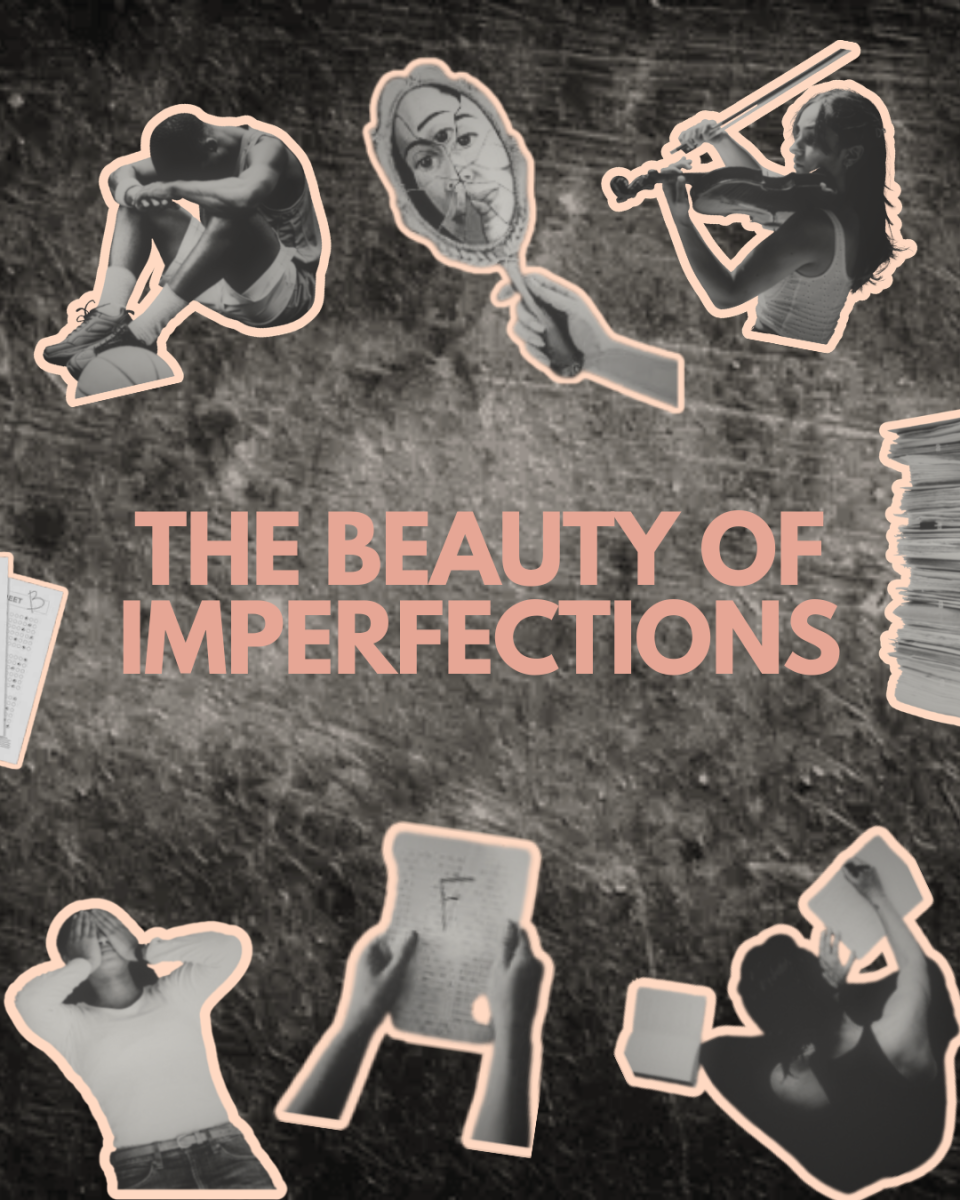
A student has just been given back their test score for an advanced class and sees that they earned a nine out of ten. For most kids, this score would be highly acceptable, maybe even something to brag about. But for this particular student, that one missed question feels like the end of the world. As strange as it sounds, this is the reality for many high schoolers.
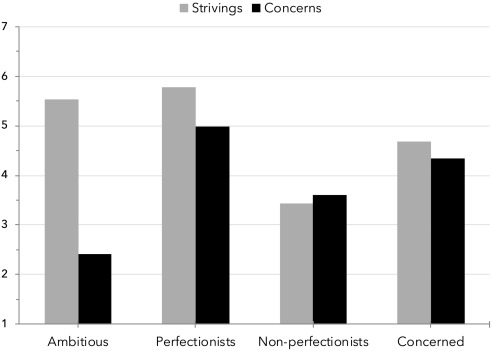
Perfectionism is defined as a personality trait that makes the affected individual feel the need to be or appear perfect. It is typically associated with setting extremely high and often unrealistic standards.
Many think that perfectionism is a good thing and is beneficial. After all, it can consistently keep a person completing tasks at a high quality.
“A lot of people are not very motivated, so I feel like being a perfectionist pushes me to be better,” sophomore Ellie Duan said. “I always want things done my way and very well.”
But there’s another side to perfectionism that is not talked about as much. Being a perfectionist can come with just as many, if not more, disadvantages as benefits.
“I get more upset at myself whenever I do not get something perfect, even if I still get a good grade,” sophomore Mary Koske said. “So, I feel like being a perfectionist has not really benefited me.”
High school students in particular tend to battle with perfectionism in a much more sensitive way. A study, published in the journal Psychological Bulletin, found that between 1989 and 2016, socially prescribed perfectionism scores increased by 33% among students. This study was a wake up sign to show that a larger amount of students have been dealing with perfectionism in recent years, potentially hinting that expectations these days are way too high.
The flip side of this topic often goes unspoken about because students are able to cover up perfectionism by masking themselves as an overachieving student.
After starting freshman year of high school, I could see that perfectionism had started to impact small details in my life as well as my performance in outside extracurriculars and hobbies. The activities I initially participated in for fun started to feel like a competition against the peers around me. This was especially evident through all my music-related activities.
During my freshman year, I was accepted into an All-State program and also became the principal chair in the school concert band. Yet, these accomplishments felt more like mere expectations. Instead of celebrating my acceptance into the program, my brain immediately jumped to comparing myself to the other students at the event, thus shifting my mindset to thinking I was not a good enough player.
“Perfectionism pushes you to try and do your best and can be a good motivator, but there is also a flip side where it can go too far,” counselor Meg Starman said. “It can put stress on a student and give them more anxious feelings rather than empowerment.”
However, music was not the only area where perfectionism affected my daily life. Soccer, school work, and even hobbies started to feel stressful instead of enjoyable.
Many other students agree that perfectionism has shaped their perspective on how they view their classes and grades.
“I am very strict on myself about grades,” Koske said. “I got all 100s during quarter one, so now it is the expectation I set for myself.”
Because perfectionism can lead to so many challenges with mental health, it is often common for perfectionists to deal with things like chronic anxiety, depression, low self-esteem, exhaustion, burnout, and sometimes even Obsessive-Compulsive Disorder (OCD).
But it does not have to be this way. Even though perfectionism can feel overwhelming, there are ways to manage it and turn it into something positive.
The first step is realizing that nobody is perfect. Everyone makes mistakes including classmates, teachers, and especially influencers on social media.
Influencers on social media can make it seem like they have their whole life figured out, but in reality, they go through just as many obstacles as their viewers.
“A lot of times, students will see people who are super smart online and then they tend to want to be just like that,” Koske said.
Additionally, small imperfections and mistakes are how students learn and improve. If students never mess up, they will never know what they need to work on or how to get better.
Often, the pressure to be perfect stems from students comparing themselves to others. However, everyone has their own strengths and weaknesses. What matters most is students doing their best and not necessarily being the best.
“It is not realistic to think you are going to get a 100 every time whether that is in the classroom, auditorium, or on the basketball court,” Starman said.
At the end of the day, life is not about being flawless. Rather, it is about growing, learning, and finding meaning in every experience or opportunity.
The truth is that perfection is an illusion, and it is our imperfections that make us truly beautiful.
“Embracing what you can do and trying your best is for the better,” Starman said. “We are not robots, we are humans.”