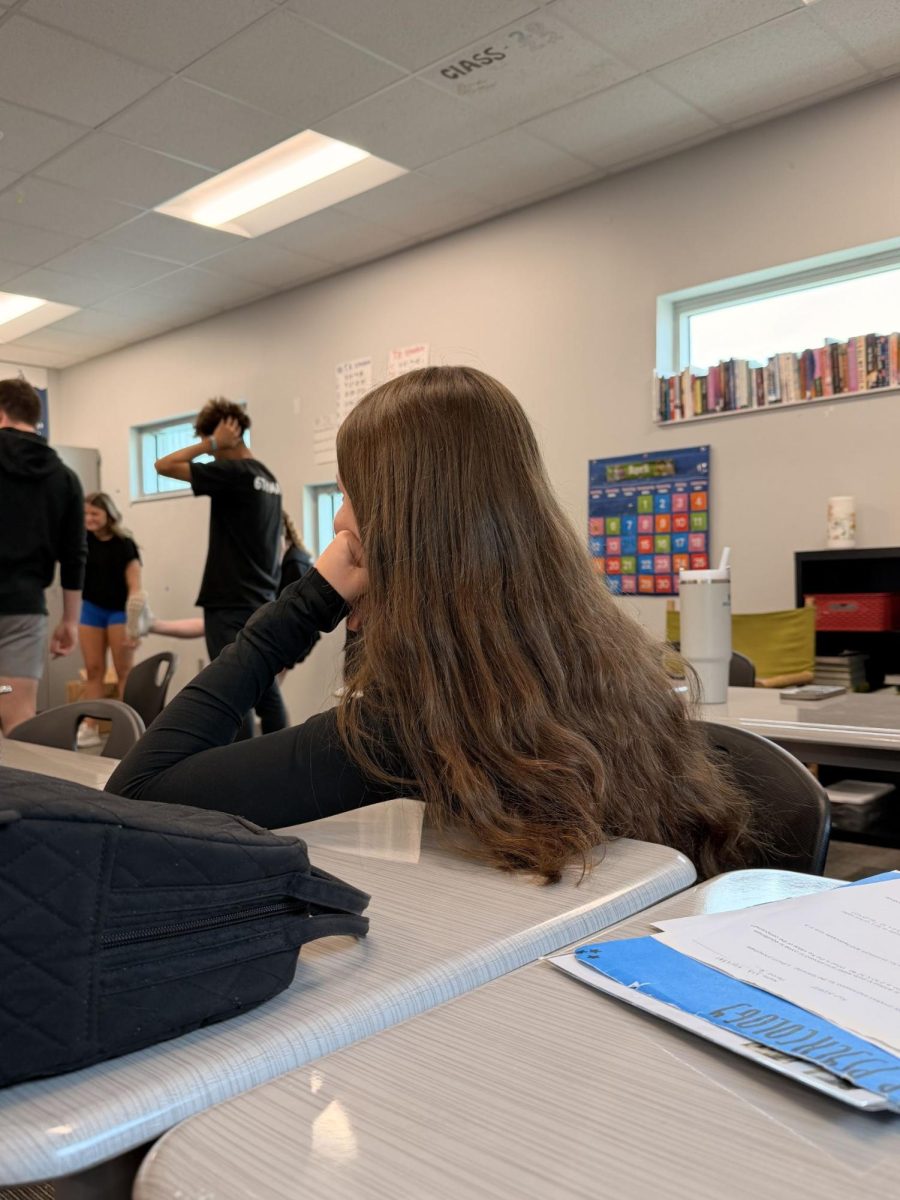


Sleep is supposed to be simple: a person gets tired, lays in bed, falls asleep, wakes up to start the new day, but for many high school students this isn’t the case.
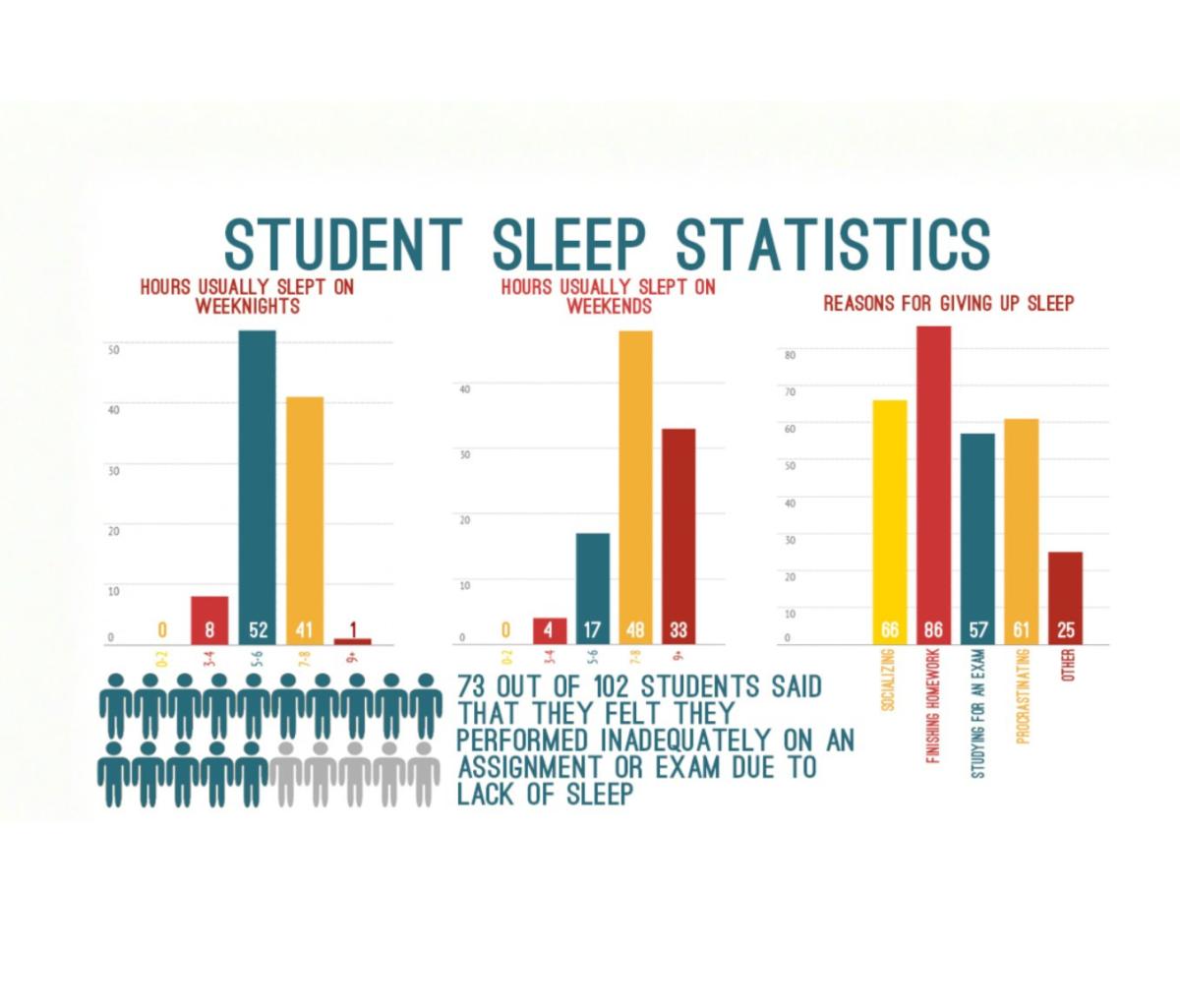
High school students have been getting less sleep than ever, because of their jobs, homework, extracurricular activities, and the constant pull of social media. While experts recommend 8-10 hours of sleep, most students fall short.
This leads to teens feeling tired, and has affected their mental health, their grades, and has led to caffeine addictions.
“I think students are struggling with sleeping because they’re going so fast in their day,” FCS teacher Laura Feller said. “It’s hard for them to wind down and really focus on getting sleep when they have a lot of things to do.”
Sleep is more important than most think. It dictates moods, immune systems, and even learning.
According to, cdc.gov 70-80% of high schoolers don’t get the recommended 8-10 hours of sleep. This amount is higher than it ever has been. Sleep is very important, but almost more important for students with growing bodies. During the teen years, the brain and body are still developing, and most of the development happens during sleep, so getting those eight hours is of utmost importance for young adults.
When teens go through puberty they experience a shift in their bodies where melatonin is released later, which can contribute to the lack of sleep teens experience. There are easy solutions to something this simple, like taking melatonin gummies to improve their sleep.
“Sometimes I take melatonin on the nights it’s hard for me to go to sleep,” junior Gabby Rowe said. “It helps me fall asleep a lot quicker.”
Another factor that contributes to a lack of sleep is exposure to blue light. It suppresses the melatonin production in their bodies, and convinces the brain it’s still day time.
Also, students stay up later to complete the large amounts of homework they have, usually pushing past midnight. Some may do this because they procrastinate but others have jobs and extra curriculars.
“I work until 10p.m. most of the time, so I don’t go to bed until 11:30 at the earliest,” junior Otero works 40 hours per week at Dairy Queen. “If I have homework to do, I don’t go to sleep until past midnight.”
The lack of sleep students get isn’t concerning enough people, as it causes a mental health decline, with a higher risk of anxiety and depression.
If a student is consistently getting not enough sleep, it eventually takes a toll on the body, potentially leading to weight gain and high blood pressure.
Realistically, creating a consistent bed time routine and sleep schedule, even on weekends, is what is recommended for students to get the proper sleep.
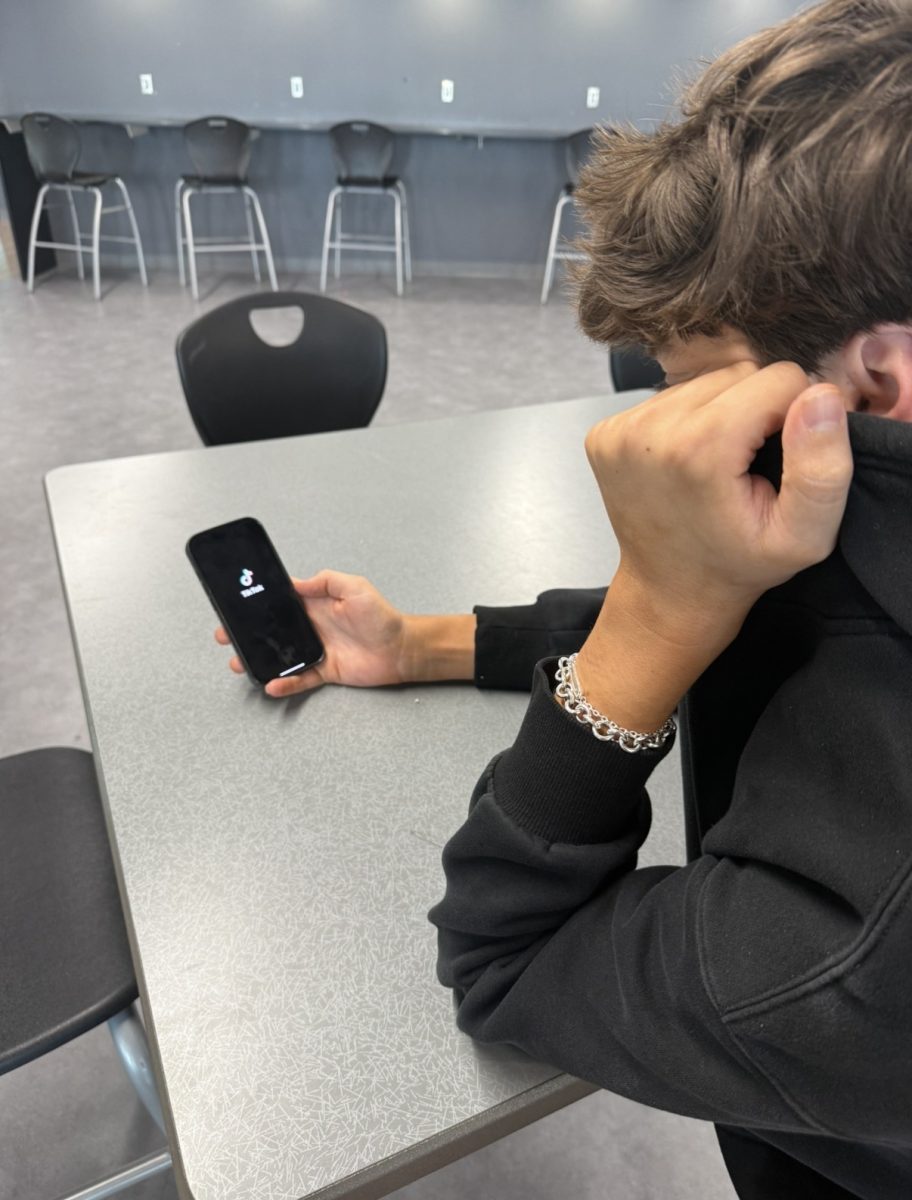
Teens are also recommended to not go on their phones 30 minutes to an hour before they go to sleep because it can help them wind down. Even things like journaling could help someone wind down, or reading a book.
As high school students grow, prioritizing sleep is a necessity.
“I used to get really bad sleep, but lately I have been prioritizing going to bed earlier,” Freshman Eden Greek said. “ I have noticed a really big difference in my overall day since.”