

High schools promise to prepare students for their futures, but it can feel like the school is picking the paths for them. Some students enter high school with a clear idea for their future, while many others are still exploring their interests and possible paths. Regardless, students want to take classes that move them closer to their goals, but those may not align with the classes that they’re required to take.
When students are pushed into classes that don’t align with their career path, it can feel like their time is being wasted. If school is meant to prepare students for their future careers in the real world, then it should be flexible in order to accommodate the various career paths students are actively working towards.
“I wish that we had more architecture classes that I could take because the ones that we have, you used to be able to repeat them,” Kriz said. “If we could take them multiple times it would open up more opportunities because it would allow me to be better prepared for those classes and those topics later on.”
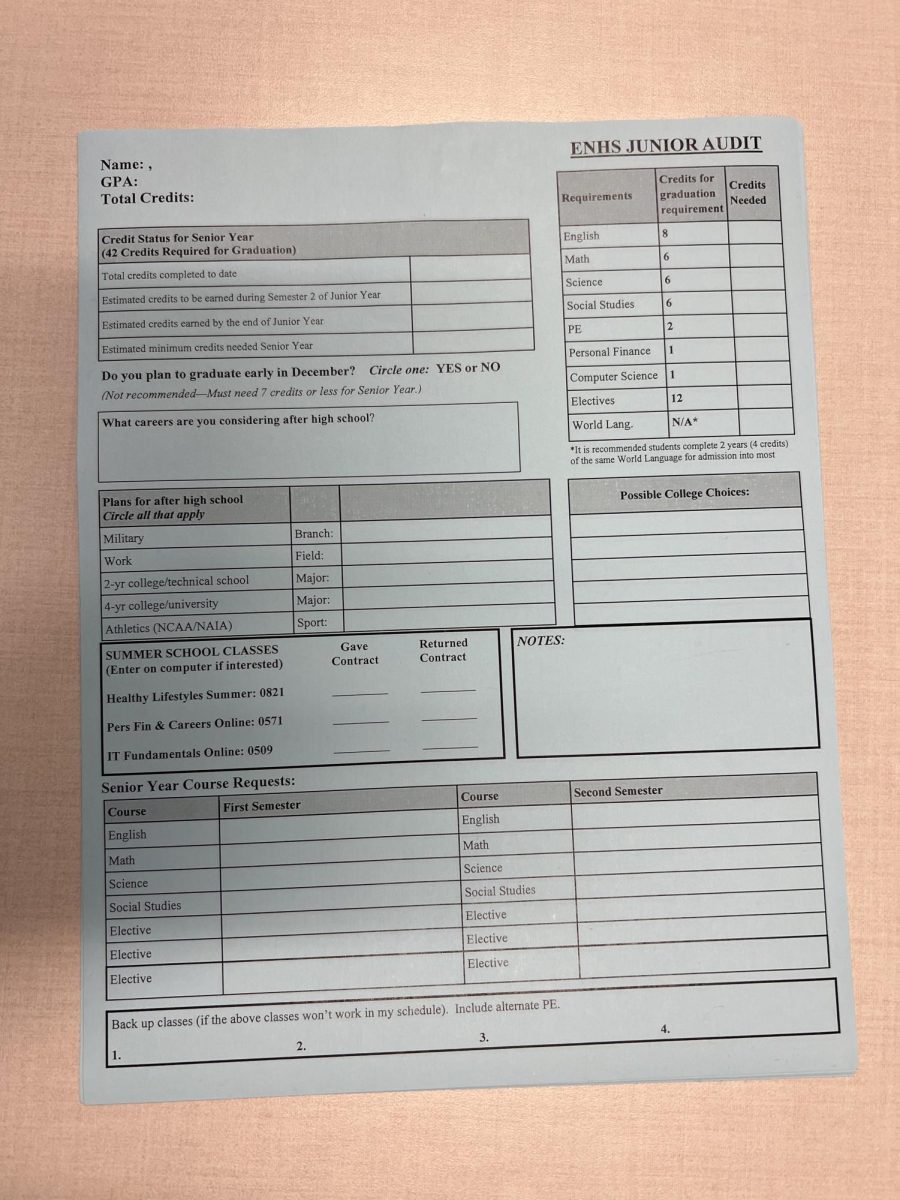
When course registration begins each year, many students realize how little control they actually have. The required classes fill the majority of students’ schedules before they are able to add electives that interest them. Trying to add classes that are related to their desired career can feel more like a challenge rather than the priority it should be.
“The legislature determines the statewide requirements to get your diploma and then individual school districts can determine a specific number of credits in addition to what the state says,” counselor Meg Starman said.
These state requirements often leave schools with limited flexibility when creating individual student schedules. While these policies are intended to ensure a strong foundational education, they can unintentionally limit students who know what they want their career path to be.
Some students even take summer classes just to make room for the classes they actually want during the school year.
“Choir is a full year so I had to take PE and health classes over the summer my freshman and sophomore years so I could be able to fit all the other classes I need,” junior Sidney Johnson said.
High school is only four years, just a small window to build skills to prepare students’ for their next stage in life. When students are required to spend time on courses unrelated to their career paths, they miss out on opportunities to learn and develop in their chosen fields.“I think the whole concept of needing to choose alternate classes for the next year is kind of irrelevant,” junior Aubree Kindig said.” “I would feel stressed if I was put into an alternate class because I would be wasting time on a class I didn’t need and then I’d have to take the class next year anyway.”
There are many opportunities like job shadowing programs, apprenticeships, and other courses that could provide students with real world preparation. Some school districts, like Millard Public Schools, even allow students to leave school to go take other courses at Metropolitan Community College for college credit. Yet Elkhorn’s strict scheduling requirements often prevent this flexibility for students, forcing them to take these courses through an online program.
“I wanted to do the UNMC High School Alliance program which is one that’s used in Millard, because I really want to go into the medical field after college.” junior Reese Noonan said. “I think it’d be a really good way to start off that journey but it’s not accessible to Elkhorn because it’s the last 3 class periods of the day.”
Forcing students into classes they don’t see the value in affects more than just their schedules. It also affects their motivation. When students are required to take courses they think are irrelevant to them they are less likely to be engaged.
“In classes I’m not interested in, I don’t care enough to try most of the time and I don’t want to do the homework.” Kriz said.
This lack of engagement can affect other aspects of school as well. Students will get more frustrated and burn out will increase. It could lead students to feel that their chosen career path is not taken seriously and that they are not supported by the system. Instead of feeling encouraged to pursue their goals, they can feel restricted by the policies made for all students.
The current structure is beneficial for students who are still undecided about their future, but for students who have known their goals for years, they are forced to set aside their true interests until college.
Personally, I have known since elementary school that I want to go to culinary school. During class registration this spring, the counselors mentioned that students are expected to take four core classes; math, English, science, and social studies. They explained that instead of one of the core classes, you could take a class related to a chosen career path. I chose the foods classes, believing they would count. However, I was later told they did not.
Core subjects provide fundamental knowledge that every student needs and a well rounded education is important. However, students should have more choice in what classes to take as they become more certain about their career goals. Instead of applying the same model to every student, the school should be more flexible to allow students to get ahead and specialize in their future career.
Education should not just prioritize graduation requirements, but more on preparing students for the futures they want.
“The curriculum is so specific in some ways that you don’t get the choice to choose your path,” Kriz said. “I wish they’d give us more choices so that we can make those decisions ourselves.”