


Senior year is a stressful time for many, with seniors deciding where to go to school, apply for scholarships, and truly find out what kind of life they want to pursue. There’s a certain type of student who has an equally difficult decision to make, and that choice starts well before senior year.
High school athletes work very hard throughout the year, balancing school requirements as well as obligations to their respective teams. The decision whether to try and make it at the next level, the collegiate level, is a very difficult choice to make, as it will likely have major effects on their everyday lives for the foreseeable future.
It’s extremely common for athletes to want to go to the next level. The opportunities that come with it can be extremely beneficial.
With the introduction of NIL into college sports, athletes can make money playing their sport. Even lower level schools are able to pay athletes to influence their decisions. The idea that playing a sport can help pay for college is very enticing for young athletes.
Although the percentage is low, the chance to play a sport professionally, especially a popular one, can often be too hard to pass up. Professional athletes make millions of dollars of money playing a game, and if that career path is open, most choose to take it.
There is also the support provided by the program. The built in friendship often found in teammates is a huge benefit. Specialized tutoring, housing, meal plans, and facilities provided are huge when it comes to enjoying college life.
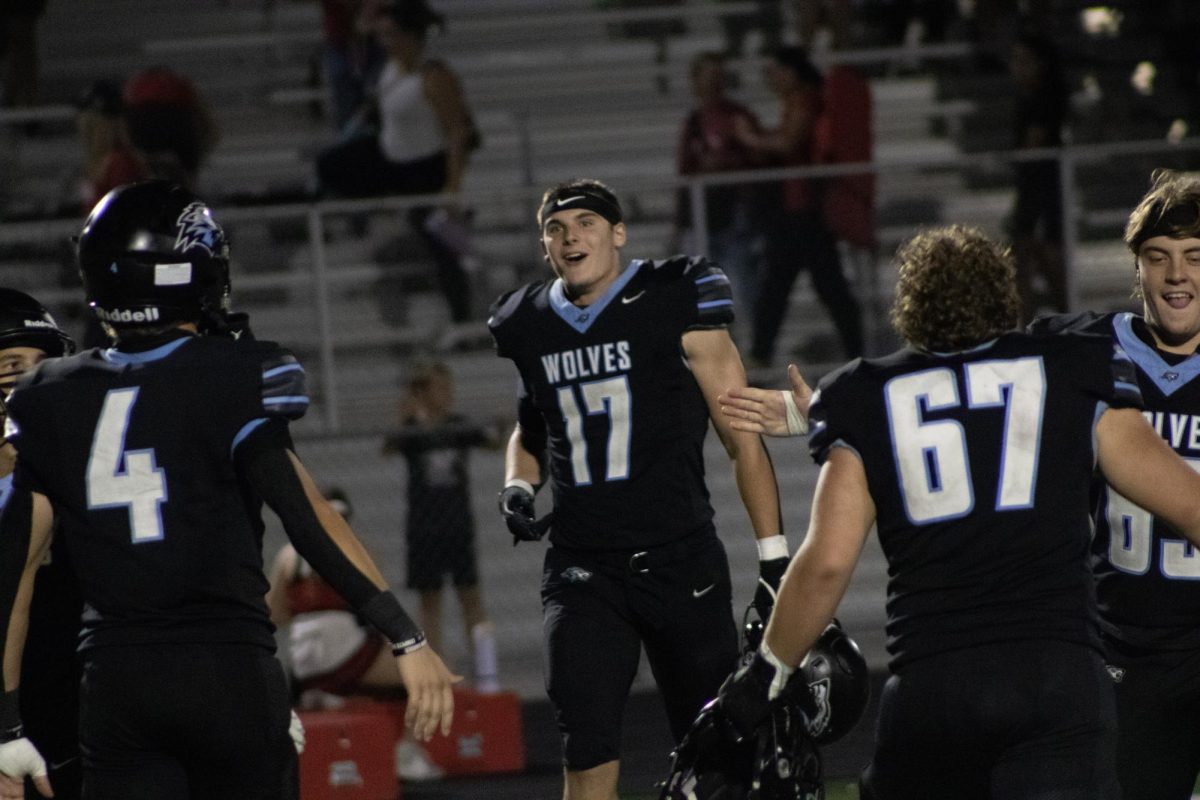
“I am ready to get to campus this summer,” said South Dakota State football commit Alex Uchtman. “The friendships I will build with my teammates and the opportunities provided have me very excited.”
Some athletes simply want to continue their athletic careers “for the love of the game.” They enjoy playing their sport so much that they can’t imagine deciding to quit when they can continue playing, even if it must be at a lower level.
Their competitive drive and character give them the dedication it takes to see how far they can go.
“Honestly, the thought never crossed my mind,” said Uchtman. “I’ve known I wanted to play college football since I was a kid, and when the opportunity came, I jumped on it.”
So between the monetary benefits, support, and love of the game, why would anyone decide against furthering their career?
The main reason is burnout and lack of success. When athletes struggle to have success in high school, it’s very unlikely that they will wish to continue that sort of experience.
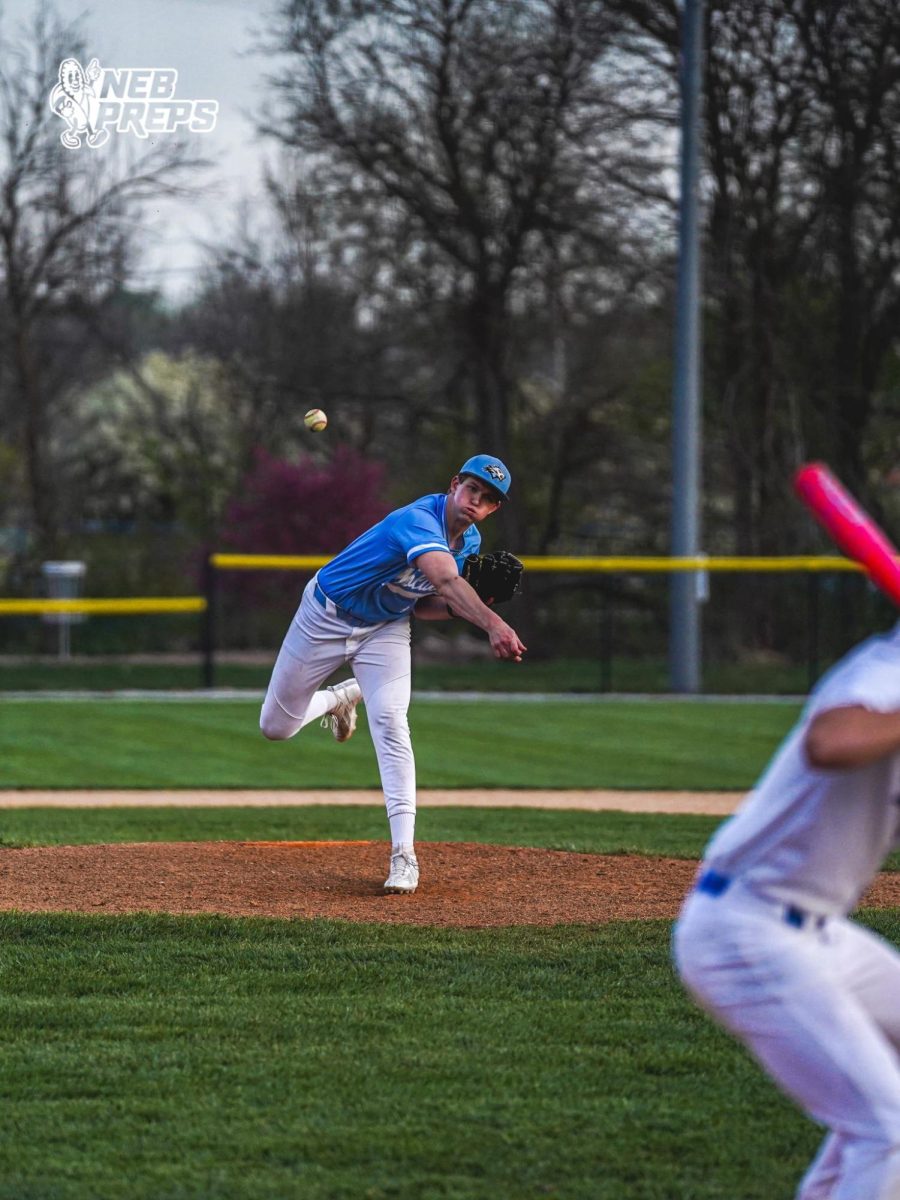
Senior Sam Hunsberger has been a varsity baseball player for two years. He has had success, but has made the decision to end his career after this year, despite having the opportunity to continue playing.
“Highschool baseball has brought so many great memories for me,” Hunsberger said. “It just feels like the right time to have it come to an end. I’ll miss it, but I will have zero regrets.”
Even if athletes are successful in high school, most of them have been playing since they were in elementary school. It’s not uncommon for students to lose their love for the game.
The more intricate decisions come when athletes have to compare the pros and cons. On one hand, they get to continue to play the sport they love. On the other hand, it may be more than they can handle.
The academic sacrifice is not a factor to be overlooked. Many athletes have restless schedules that leave little time for other activities. Giving up opportunities that could lead to a better path in your future career seems like a silly decision to some.
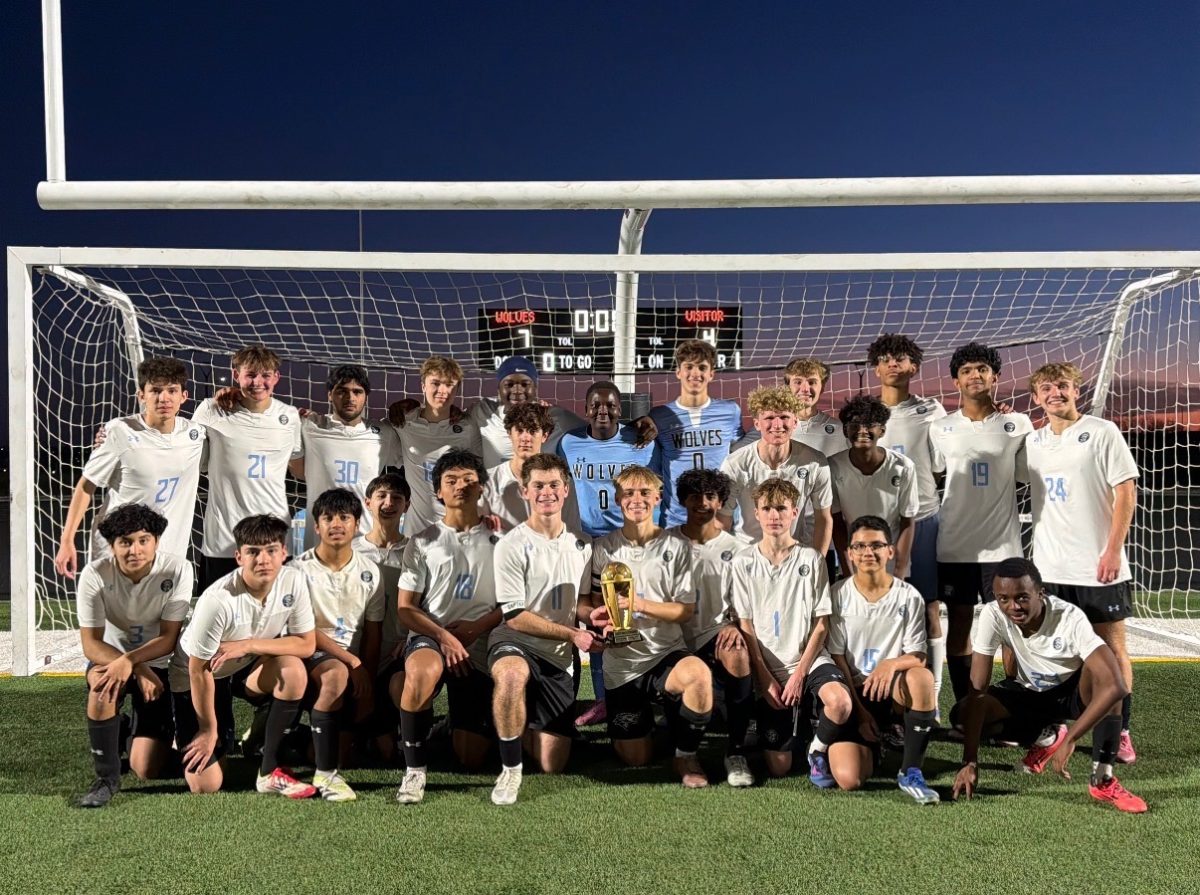
Senior soccer player Mason Mercer had the opportunity to play college soccer, but after a 36 ACT score and one of the highest GPAs in Elkhorn North’s 2026 class, the opportunities he got for academics were a huge factor into his decision.
“I talked to my parents and thought about it a lot, and decided to end it after this year,” said Mercer. “It was hard and I will miss it, but it’s what’s best for my future.”
Money can also be an issue. Although playing a sport can help pay for school, it can also be more expensive to play at smaller schools where there isn’t as much financial support available.
Also, some athletes feel like making it to a professional level is unrealistic. According to the NCAA, less than seven percent of high school athletes go to college for their sport, although that number is increasing due to the transfer portal and NIL. In addition to that, less than two percent of college athletes make it to the pros.
Every year, athletes make the decision to end their careers. Some may call this quitting, but that is not the correct term for it. These students are merely pivoting towards a new identity. An identity that will set them up for their future life.
It’s an extremely tough decision to make, and it’s one that must be talked over with parents and coaches. The reality is that the game ends for everyone at some point, and the only difference is when.